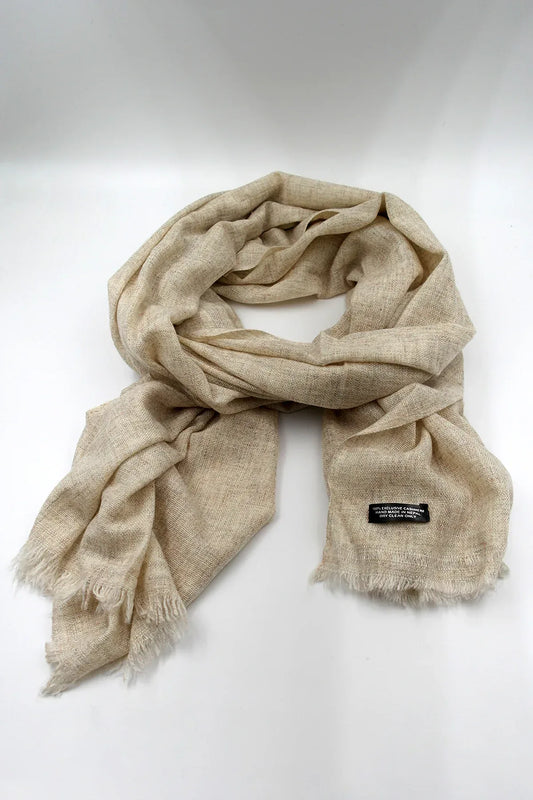
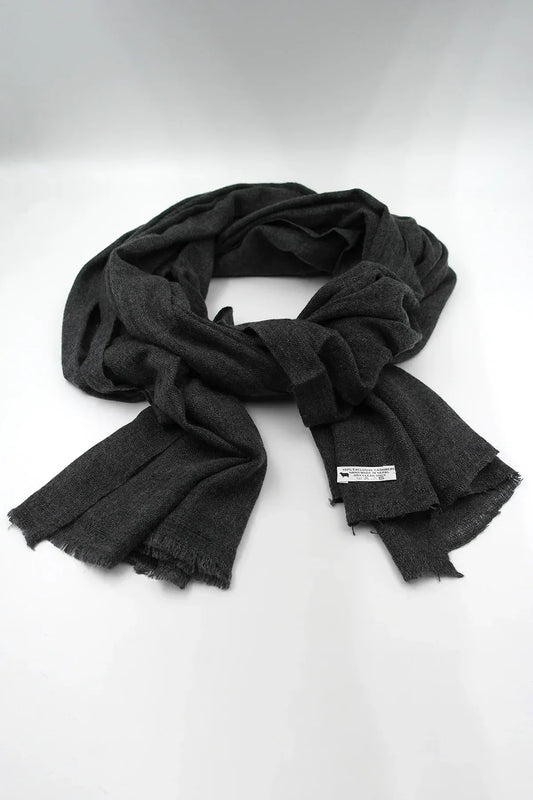
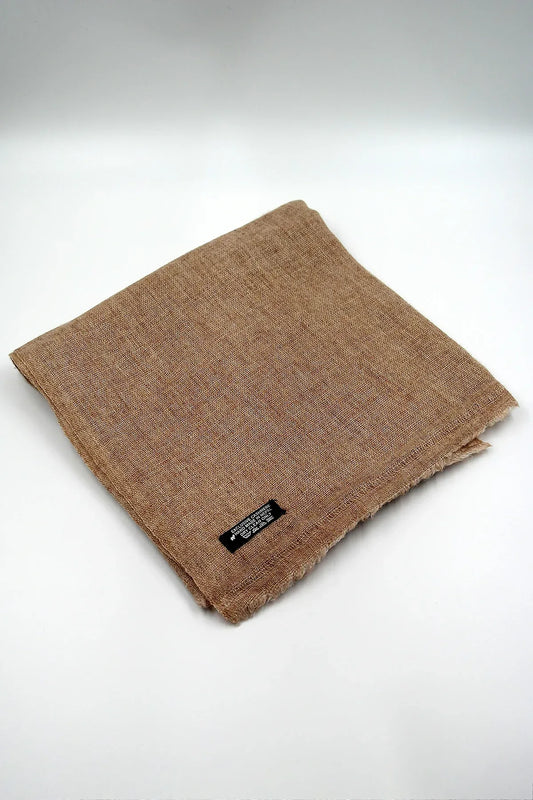
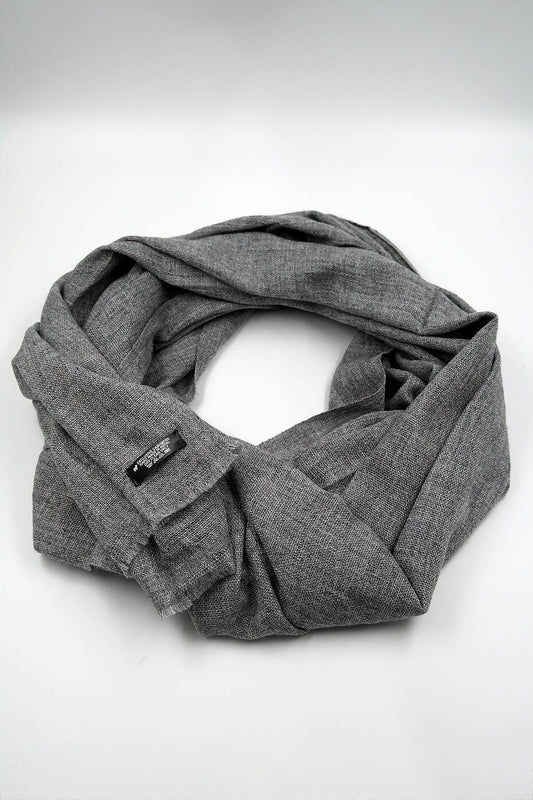
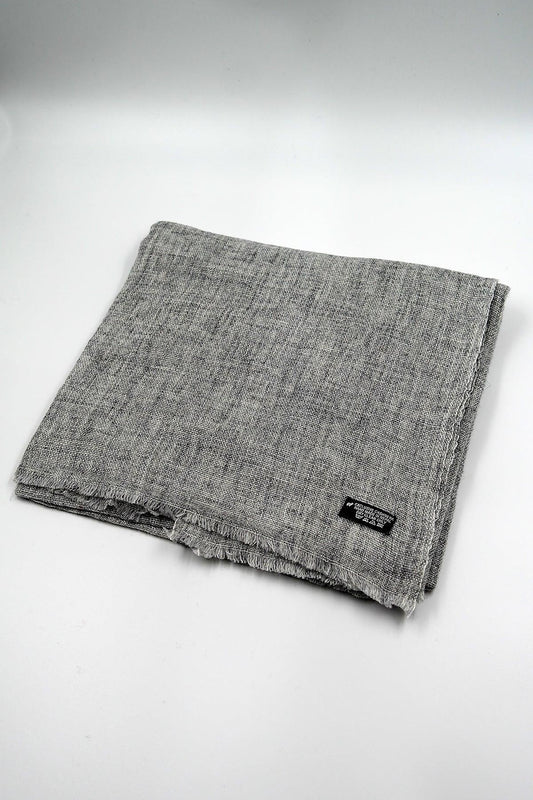
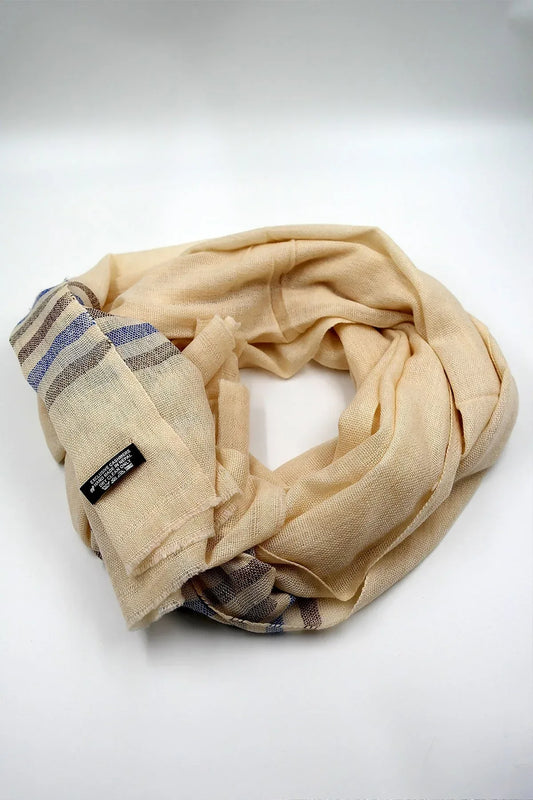
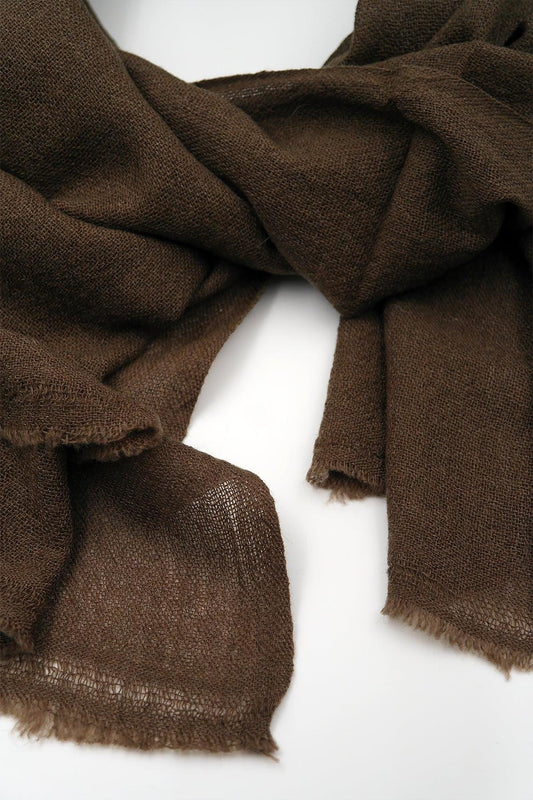
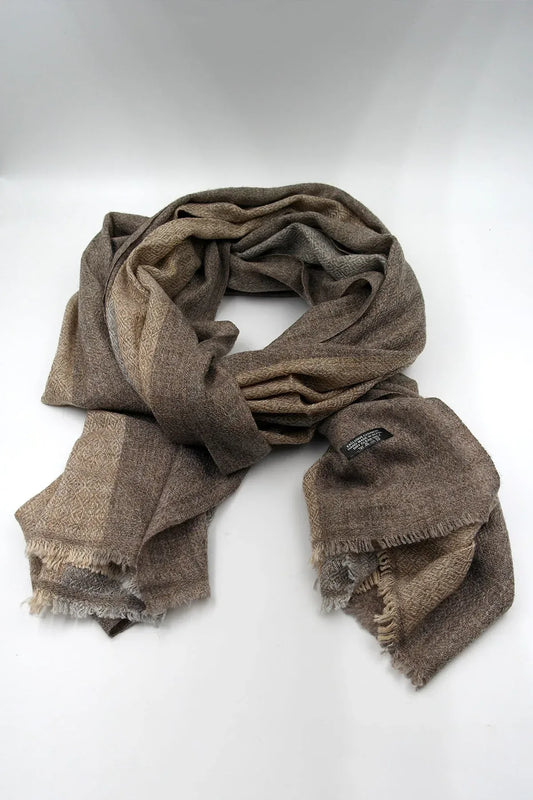
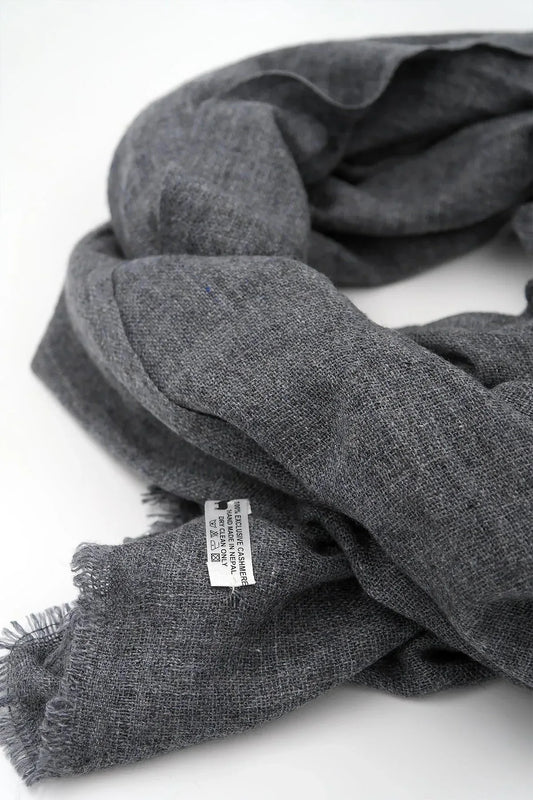
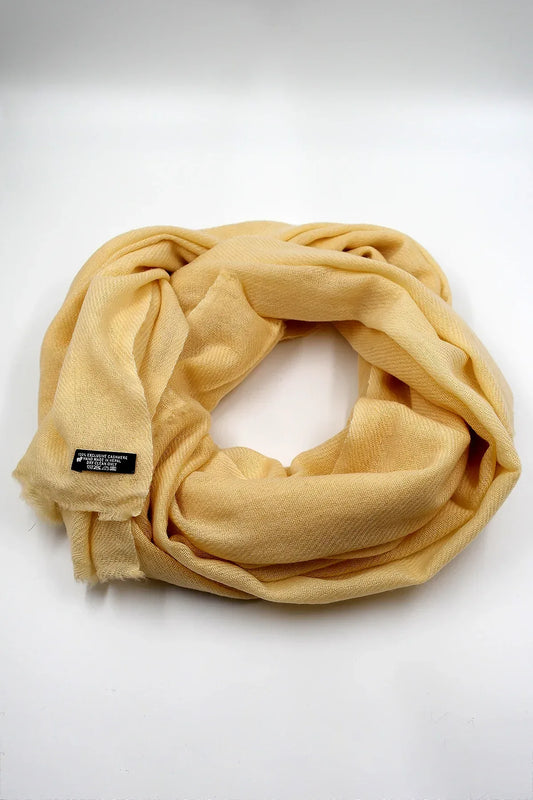
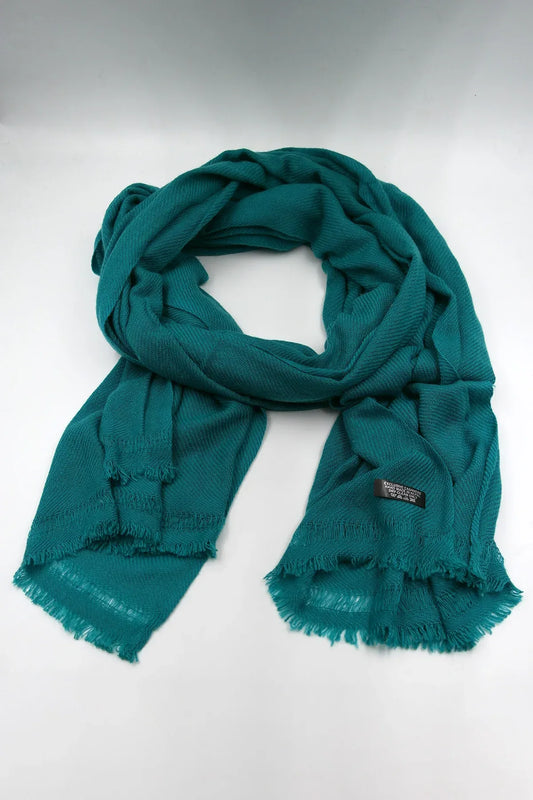
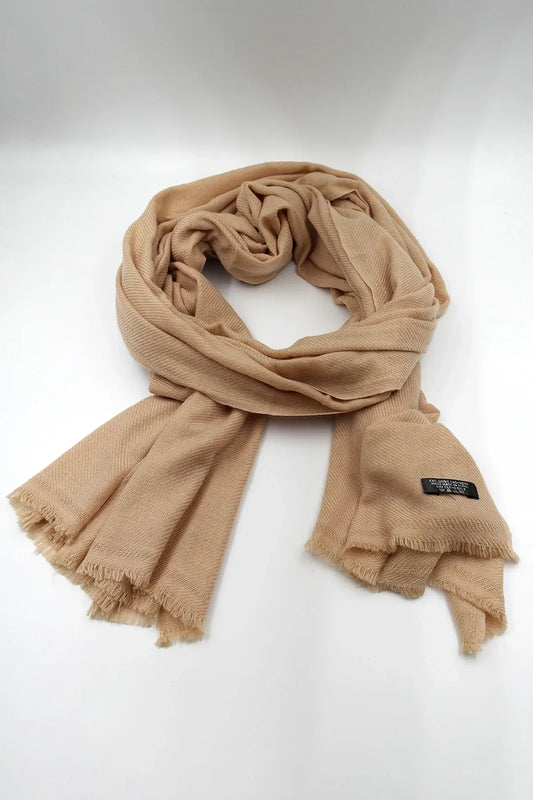
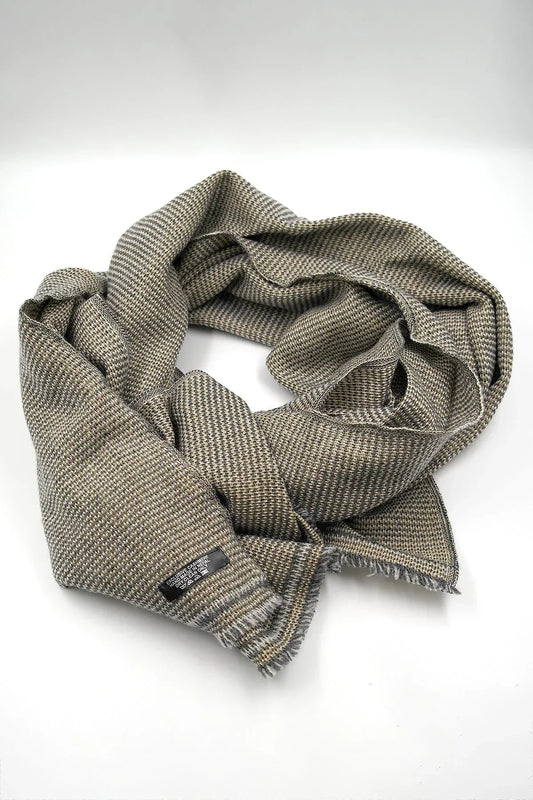
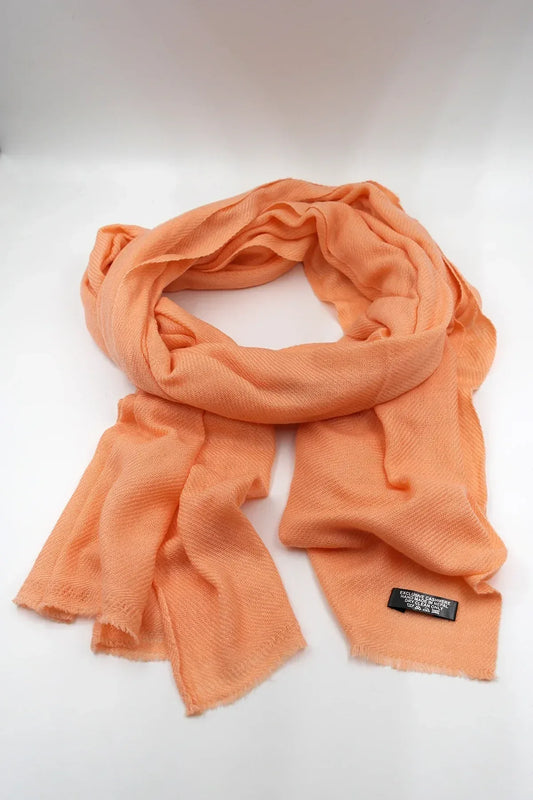
Pashmina shawls have long been known for their quiet luxury, warmth, and elegance. In the Himalayan region of Nepal, the art of pashmina-making has been a craft that has been influenced by the elements of climate and geography. The art of true pashmina has a rich story behind it. The process of making true pashmina occurs in the Himalayan region, where nature itself decides what goes into making the final piece.
Authentic pashmina is obtained from the soft undercoat of the Himalayan goat, which thrives in incredibly cold weather. In an attempt to protect itself from the bitterly cold climate, the Himalayan goat develops a remarkably soft and lightweight coat of wool, which is famous worldwide for being incredibly warm and light. This wool is extracted with utmost care during the shedding process and is woven by hand. While machine-made pashmina shawls lack the warmth and breathability of other materials, authentic pashminas are prized for their purity and natural warmth.
In Nepal, raw Himalayan wool is transformed into a finished shawl with great deliberation and at a slow pace. The cleaning of fibres is done by hand, spinning is done by hand, and the weaving, using traditional looms, requires patience and precision. And it is really here that the handmade pashmina excels. Every shawl carries the subtlety of variation from human touch rather than machines, which gives it character to which factory-made textiles can hardly match.
Skilled artisans have preserved the tradition of weaving, and for many, it was a skill learnt in their families. In small workshops, and even in homes, looms continue to run today much the same as they did decades ago. The time for the completion of a single shawl may be up to days or weeks, depending on the difficulty of the weave. Such slow production is not at all in the name of efficiency but aims at achieving quality, balance, and respect due to the material.
Living up to the uniqueness of Nepali pashminas is the amalgamation of influences. Nepal is strategically located at the junction of Himalayan trade routes. Centuries of influences from Tibet, Kashmir, and the South Asian subcontinent have shaped the texture of Nepali textiles. There is a distinctive style of weaving that pays tribute to the traditional pashminas yet maintains its own anonymous identity.
What makes a real cashmere shawl attractive is not just its looks but its feel as well. Cashmere is very soft to the touch and has a lightness that is so hard to find. This quality makes it drape very well without looking out of place anywhere. Whether it is thrown over a sweater for a chilly evening or layered for winter, it works beautifully.
This is because pashmina wool comes from the natural wool of the Himalayan mountain ranges. It thus maintains the body temperature in a manner that no other artificial cloth can. It keeps the body warm in cold weather and also ensures that the body stays cool with its breathability. Over time, the pashmina shawl becomes even softer.
At Vajracrafts, the selection for the Pashmina Shawls is made with a consideration for integrity in craftsmanship. The essence is still in more traditional, natural materials, crafted at a rate which is more human, rather than rapid, mass-produced, and fashionable. It is more about harmony, more about texture, rather than the quality of excess.

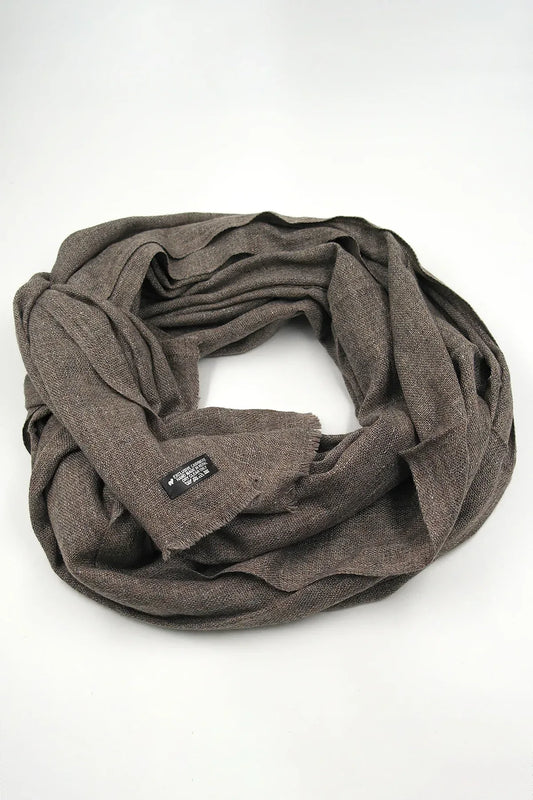 Sold out
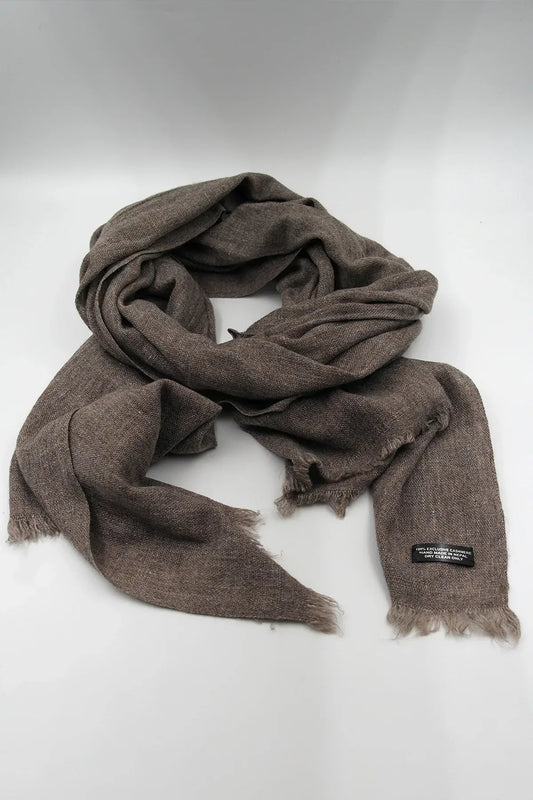 Sold out