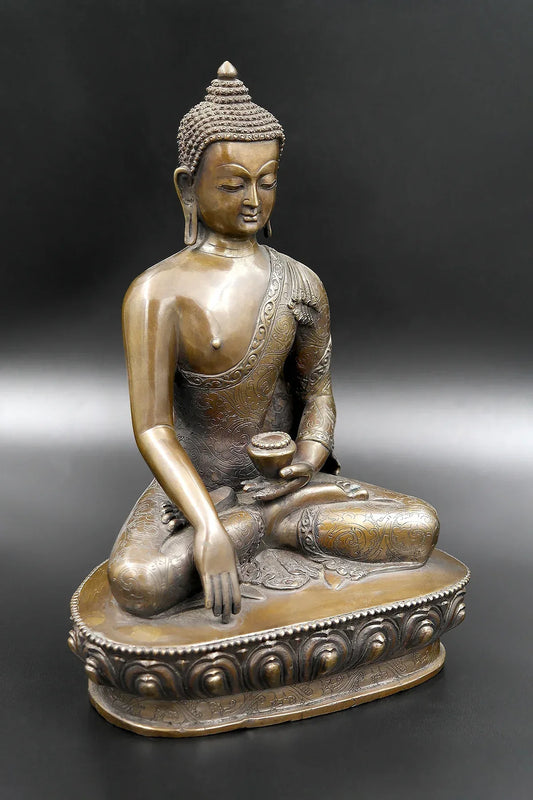
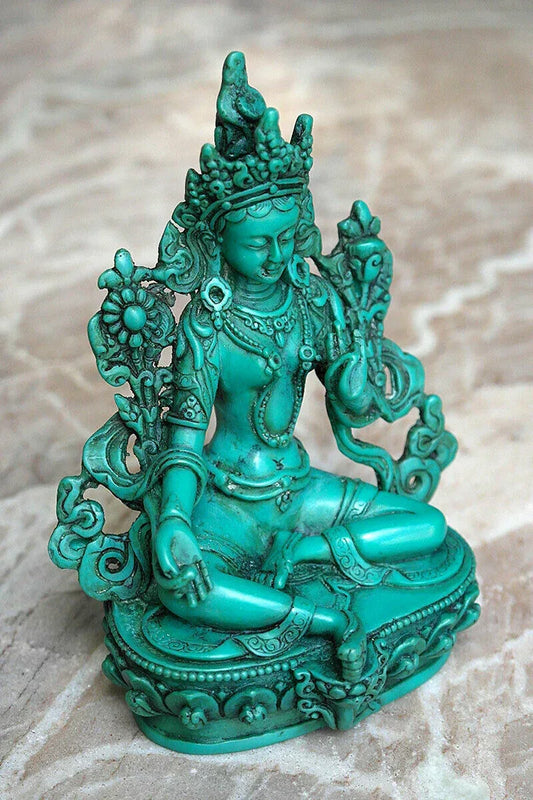
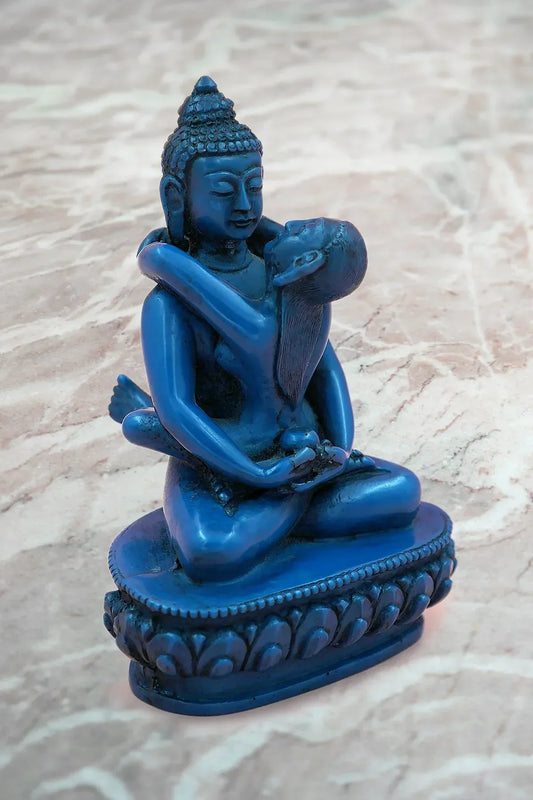
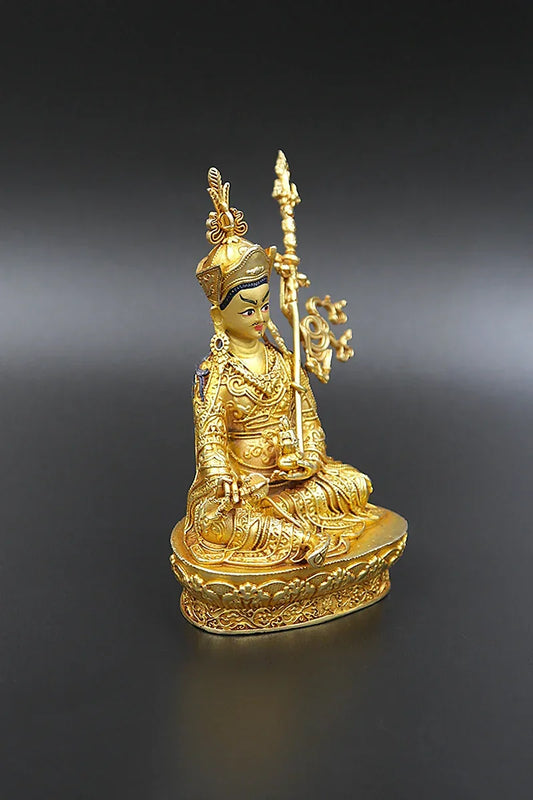
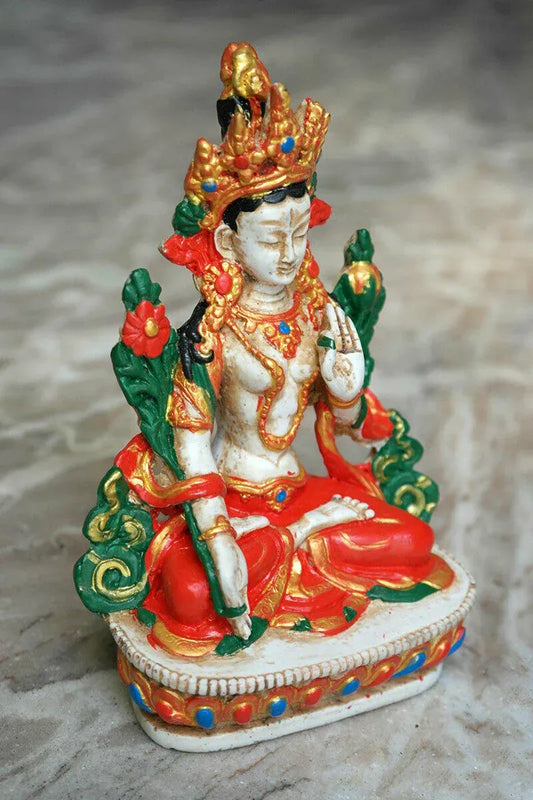
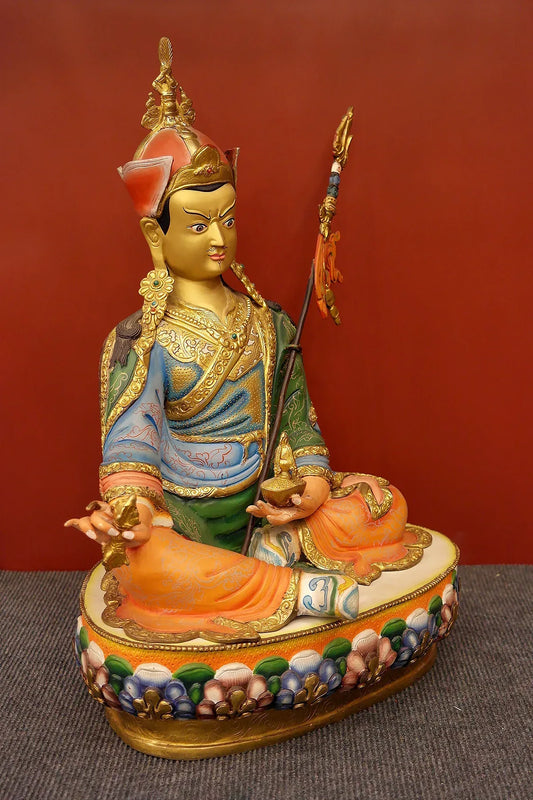
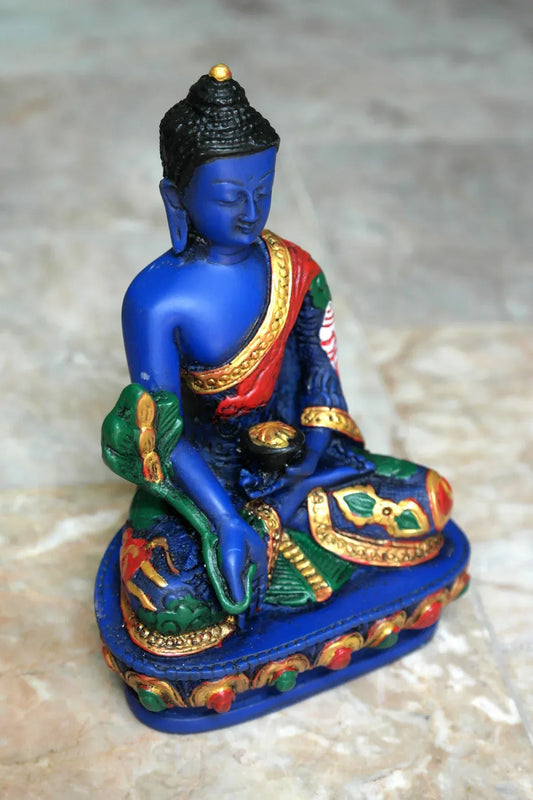
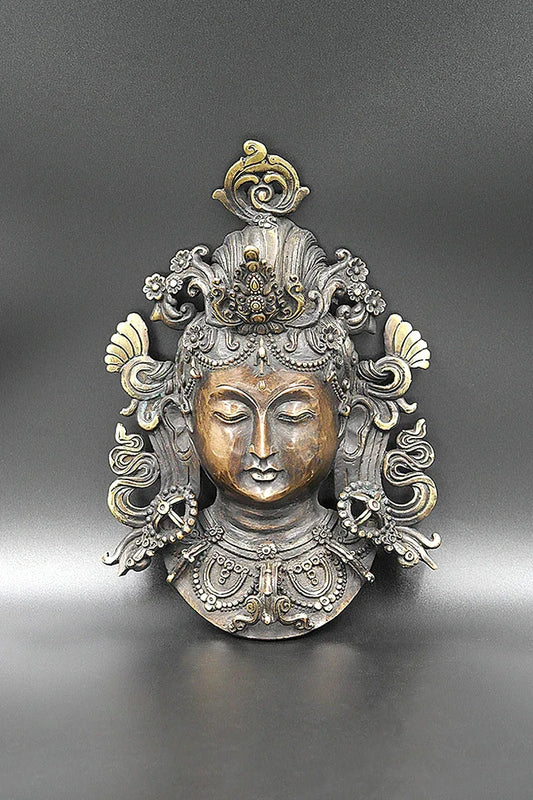
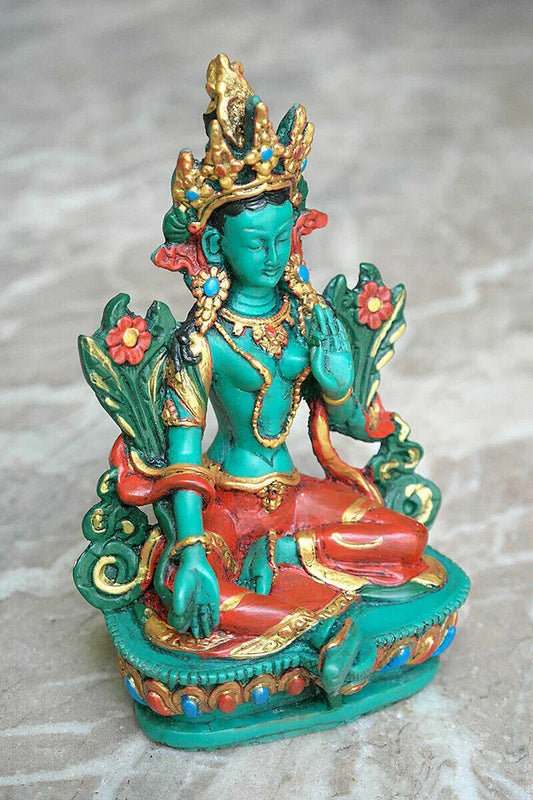
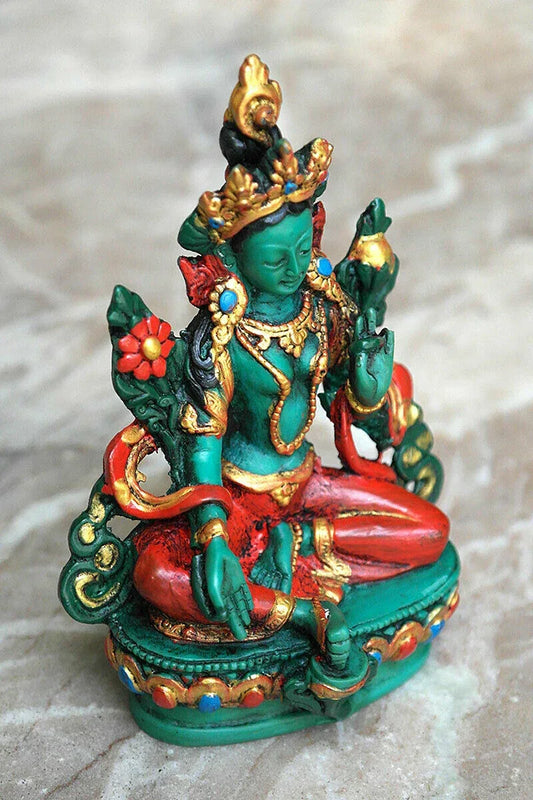
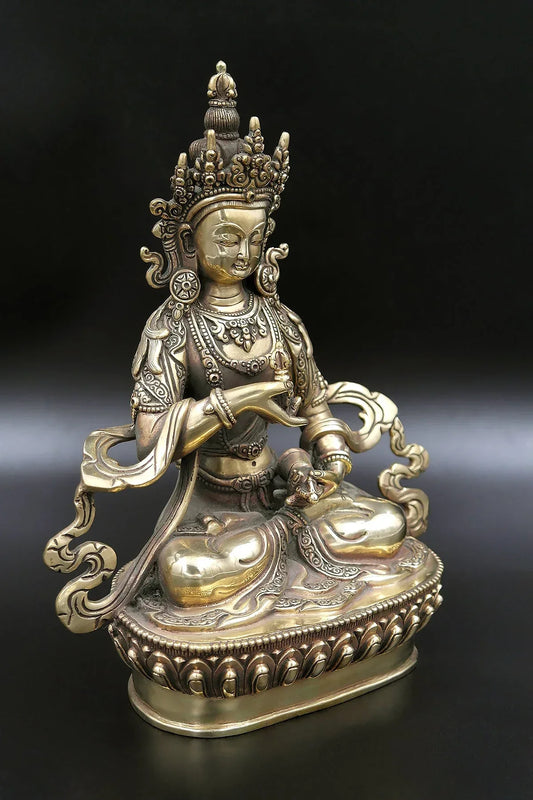
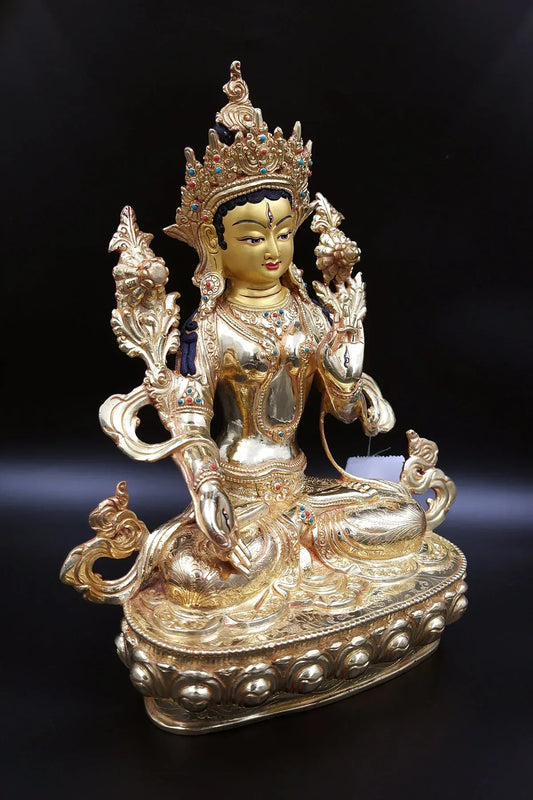
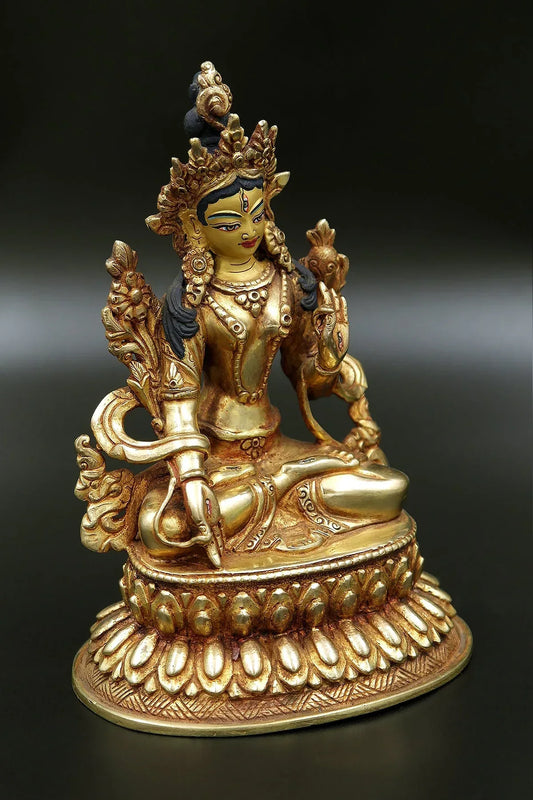
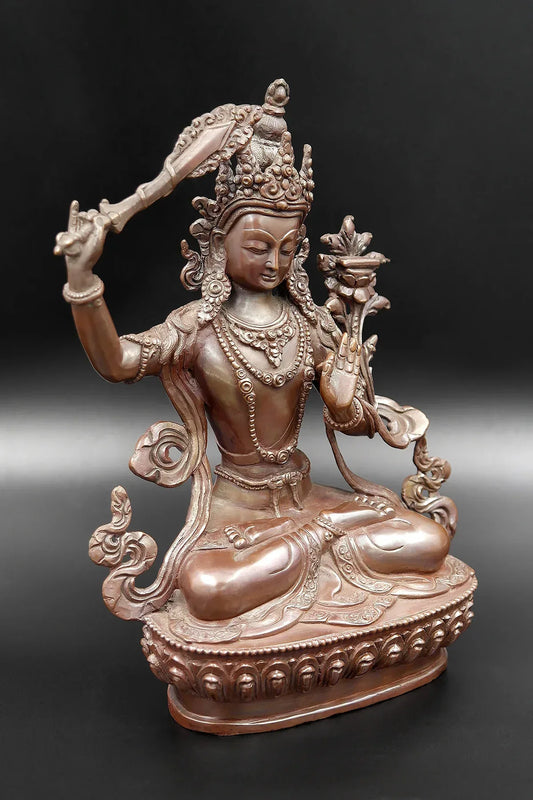
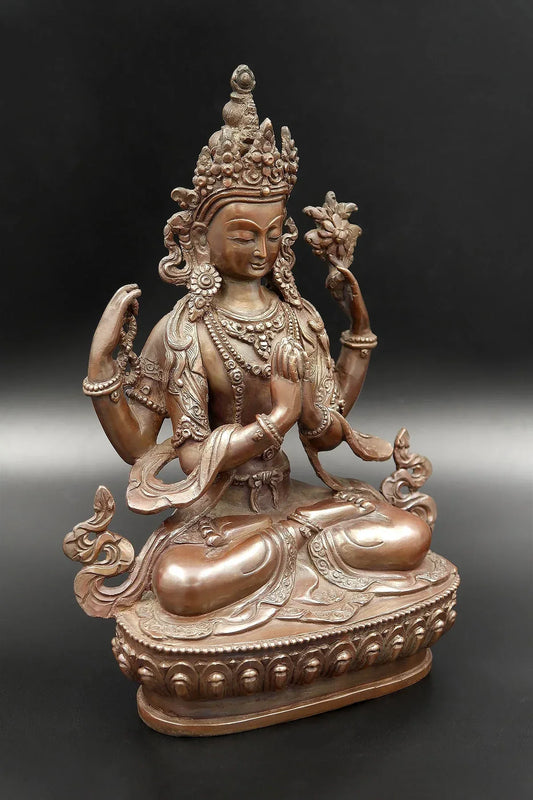
In Nepal and the wider Himalayan region, people make Buddha statues. It is a very special thing that is passed down from one generation to the next. The people who make these statues learn how to do it from their family members. They go to workshops where their family works. They learn by doing things, not by reading books. They make Buddha statues from wood or metal. Each one is made by hand. It takes time to make one Buddha statue; the people who make them have to work very hard, and they have to really care about what they are doing. They have to think about Buddha. What he means to them when they are making the statues. The Buddha statues are very special because of all the work that goes into making them.
People still use methods, like lost-wax techniques, to make metal things in many workshops. You need to be patient and get everything right when you do it this way. Each step is important because it affects how the thing looks in the end. This means that every statue is a little different. The Himalayan Buddhist art that people make by hand is special because it is not made by machines. It is not perfect. It looks nice and strong in a quiet way. The metal casting methods give the statues a feel that you do not get with things that are made all the same. Himalayan Buddhist art is unique because of this.
A Tibetan Buddha statue often reflects regional artistic influences, including subtle facial features, symbolic ornaments, and posture styles rooted in Himalayan Buddhist traditions. These elements are not added for ornamentation alone; they carry meaning tied to teachings, lineages, and cultural history. Over time, these visual languages became part of how spiritual ideas were shared across generations.
At Vajracrafts the Buddha statues are really special because they show respect for this heritage. When they pick a Buddha sculpture, they make sure it is made well; where it comes from is important and what it is meant for matters. They do not just look for something that looks nice on the outside. The Buddha statues they choose are ones that feel real and honest, made by people using traditional ways. The Buddha statues are meant to help create spaces. You can put them in your home on an altar near a place where you meditate or in a room where you like to be alone. The Buddha statues are there to support you in these spaces like the Buddha Statues, at Vajracrafts.
Buddha statues are really good at bringing people from different cultures together. If you do not know much about Buddhism, these statues are a way to learn about it. They teach you about being aware of your thoughts and feelings and being kind to others. For people who have been following Buddhism for a time, Buddha statues are like friends that they can count on every day. They do not force you to pay attention to them. They make you want to look at them and think about what they mean. Buddha statues are always there to remind you of Buddhism and its teachings.
In the tradition, art and spirituality are not usually apart. A statue is a work of art. It is also a spiritual symbol. The people who make these statues believe in what they're doing, and that is just as important as how they are made. This is what makes these things so important for a time. The Himalayan art and spirituality endure because the things they mean are still important today, not just because they are popular for a while. Himalayan art and spirituality are still relevant because they represent values that do not change over time.
Keeping a Buddha statue is often a personal choice, guided by intention rather than belief alone. For some, it becomes part of daily meditation. For others, it quietly anchors a space with calm and balance. In either case, it stands as a reminder that stillness is not something to seek far away. It is already present, waiting to be noticed, reflected in the serene form of the Buddha and the traditions that continue to shape it.

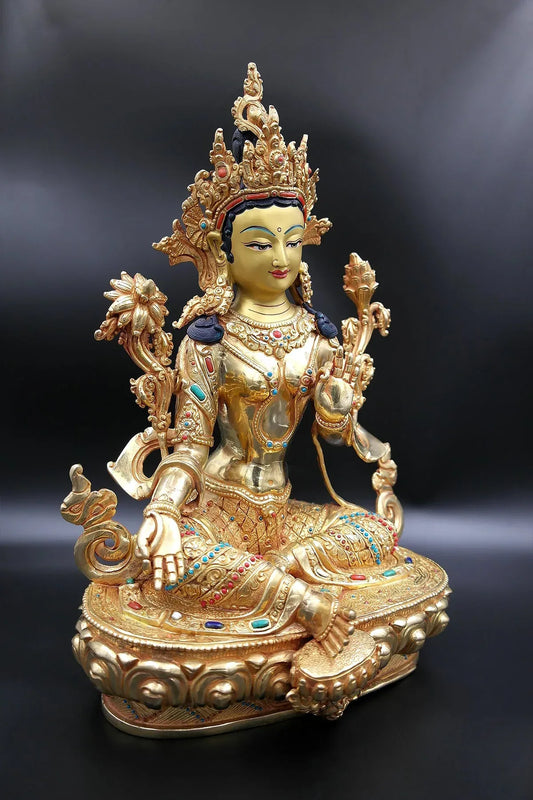 Sold out