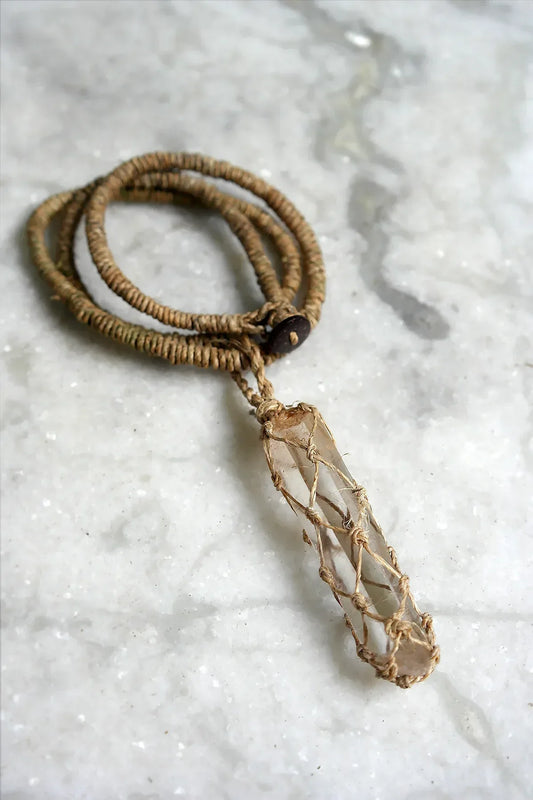
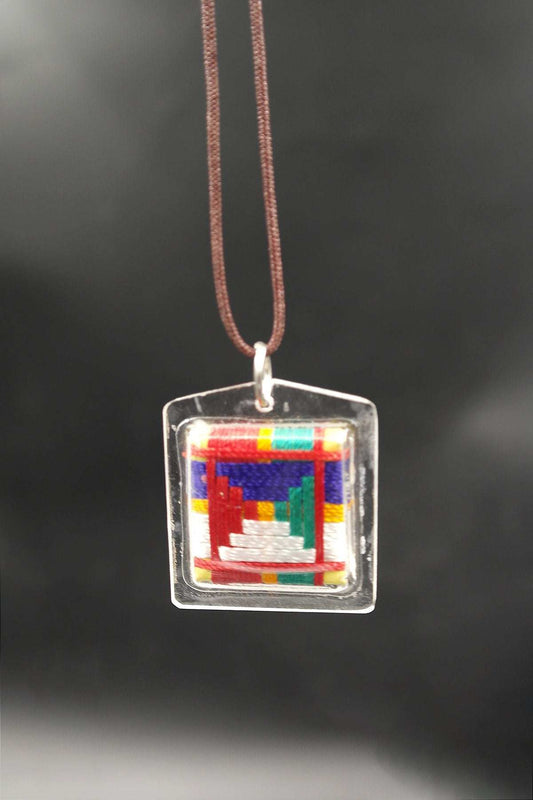
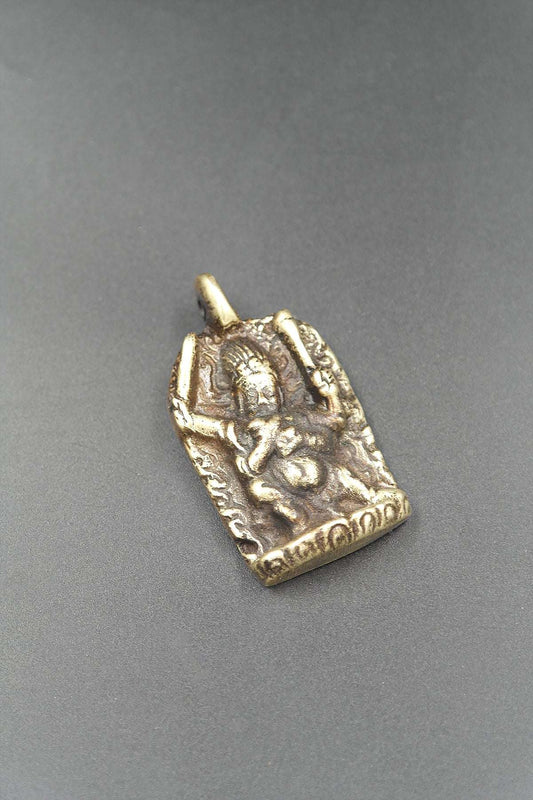
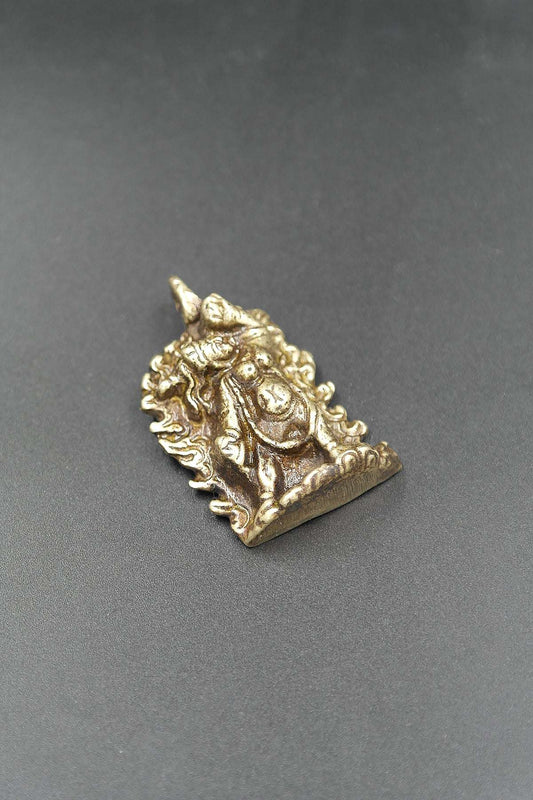
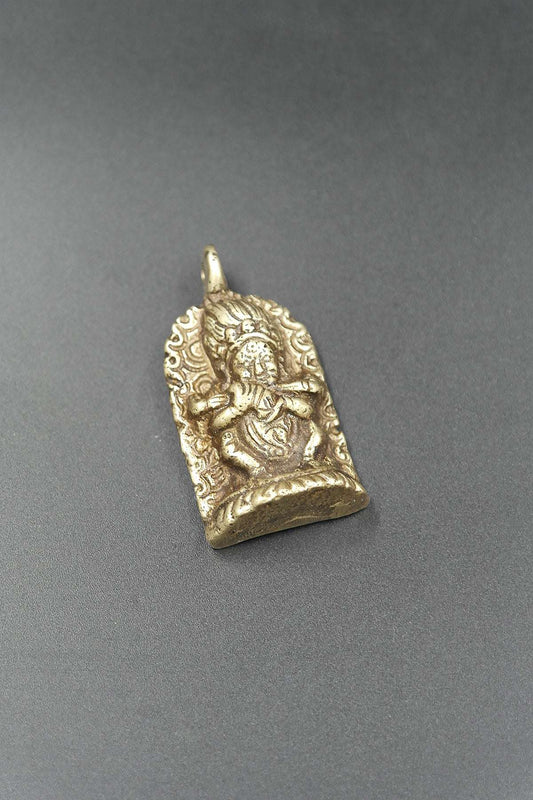
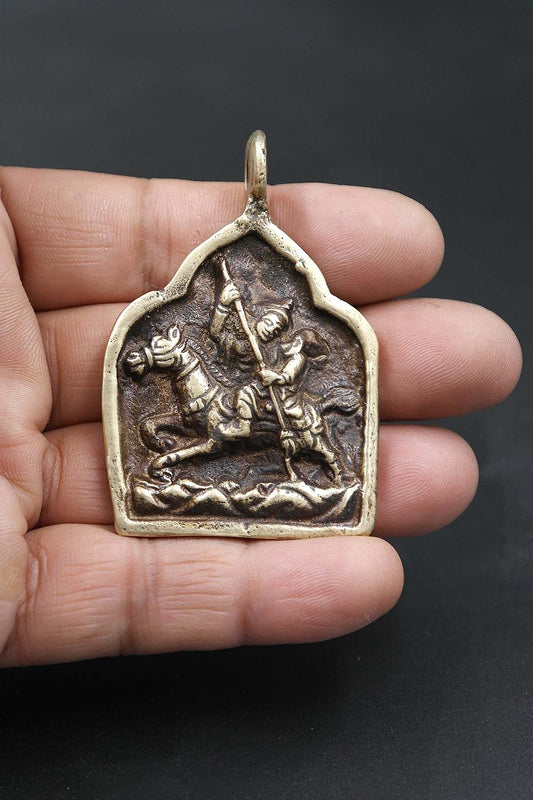
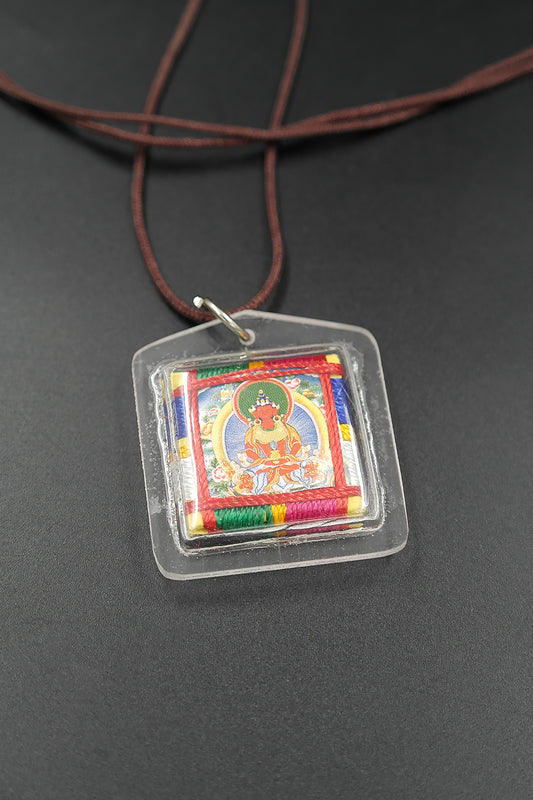
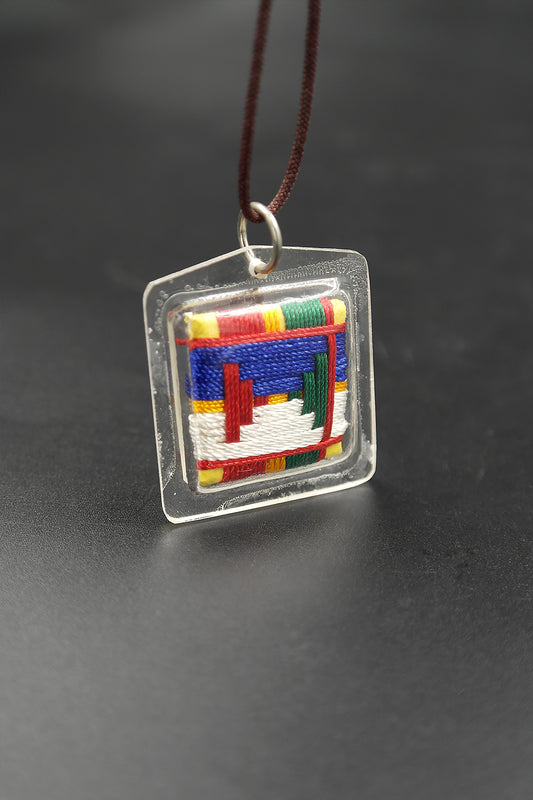
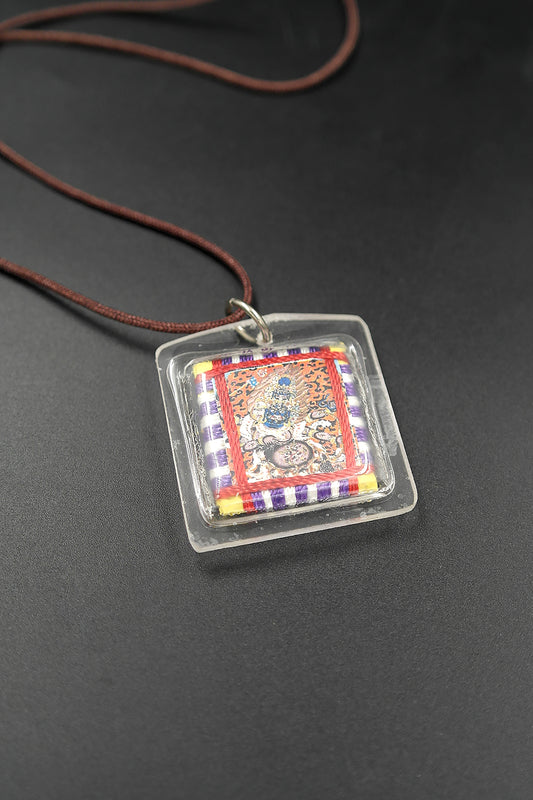
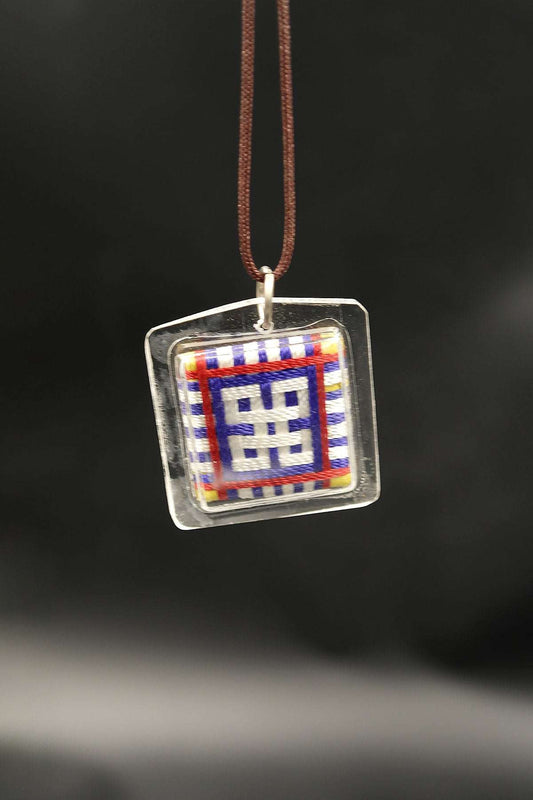
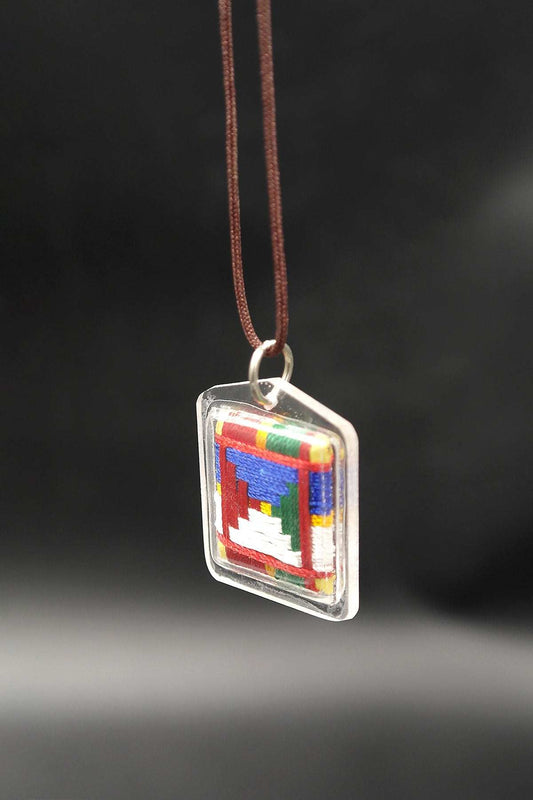
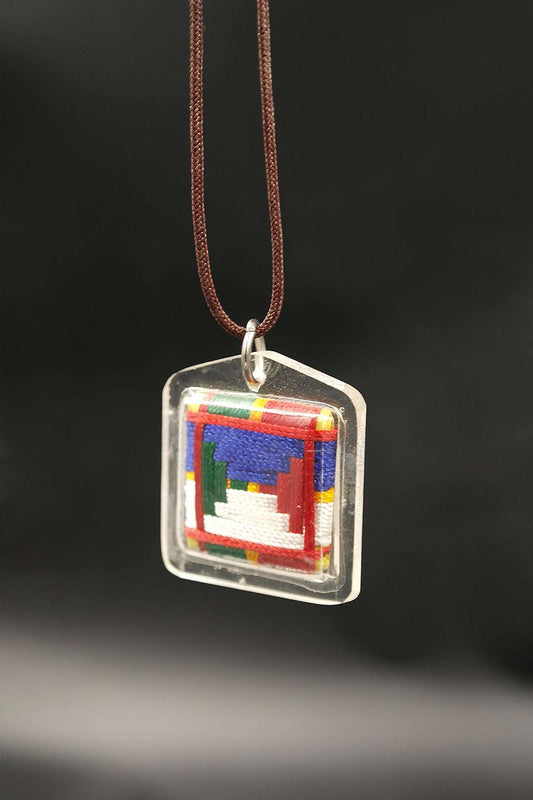
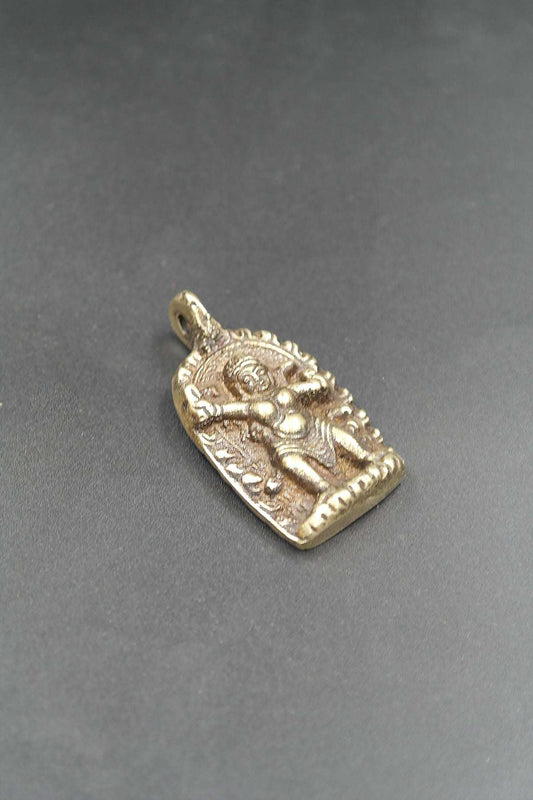
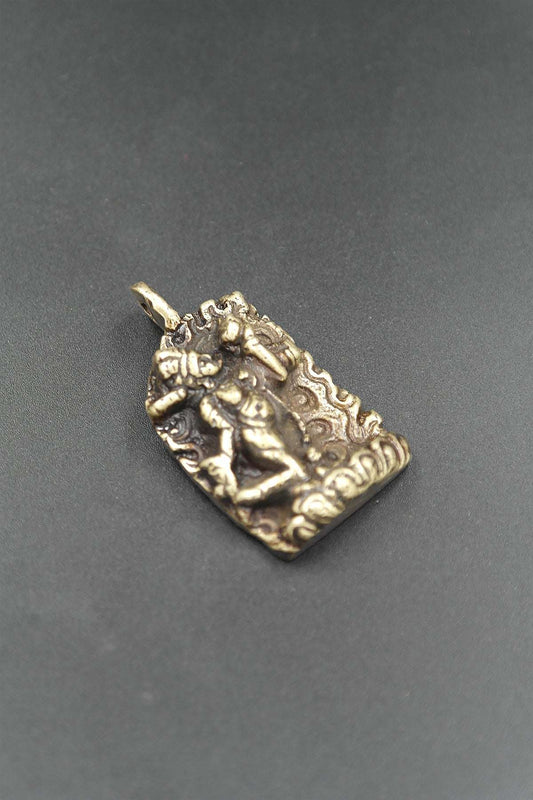
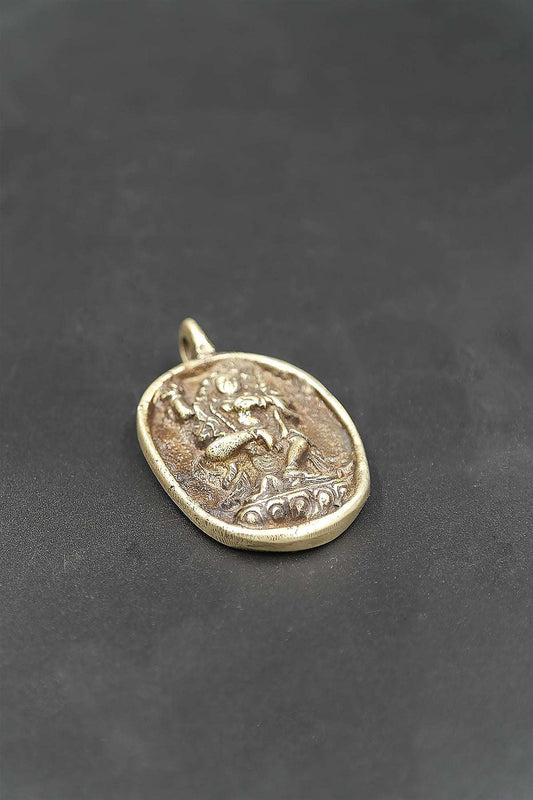
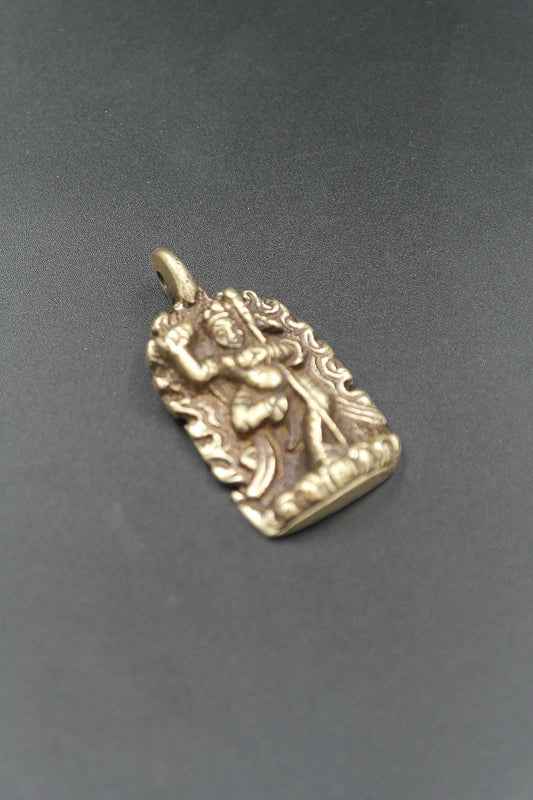
In the Himalayas, in particular in Nepal, there has been little jewelry worn purely as ornamentation. Items carried on the person that are small often carry unobtrusive meanings, borne from belief, remembering, and experience. Pendants are part of this tradition. These are often worn not only as ornamentation but as something that can be felt.
Throughout Nepali culture, as well as Tibetan culture, pendants have been a means of personal identification. There are pendants used for protection purposes, others to recall teachings, travels, or friends. The pendant can contain either a symbol, a mantra, or it can be simply a shape that holds meaning through time. By doing so, spiritual pendants become a part of an individual’s inner cycles, found within the daily life of the individual.
Traditional pendant-making in the Himalayas is rooted in handwork. Artisans shape metal, stone, or wood using techniques learned through years of practice. Hand-carving requires patience and a steady hand, while metalwork and engraving demand careful attention to detail. Stone setting is done slowly, guided by the natural character of each piece. These processes leave behind subtle marks that reveal the human presence behind handmade pendants.
Himalayan pendants differ quietly from mass-produced jewelry. They are not perfectly uniform, and they do not aim to follow passing trends. Instead, each piece carries small variations in form and finish. These differences are reminders that the object was shaped by time, skill, and intention rather than speed. Nepali pendants often feel grounded, created to last and to be worn again and again.
In the everyday, pendants shift easily between contexts: worn during travel, kept near during personal spiritual practice, or simply carried through daily activities. Some Tibetan pendants are chosen for their symbolism, while others seem to be valued for their plainness and materiality alone. Over time they become familiar, shaped not only by maker's hands but also by the life-wearer.
The materials used in these pendants are often natural and chosen with care. Metal, stone, and wood age differently, each developing its own quiet character. Slow craftsmanship allows these materials to remain honest, sans excess polish or unnecessary embellishment.
A pendant, worn close to the heart, can become more than an object. It holds memory, intention, and presence in a small, tangible form. In its quiet way, it connects the wearer to Himalayan tradition and to a more mindful way of carrying meaning through everyday life.