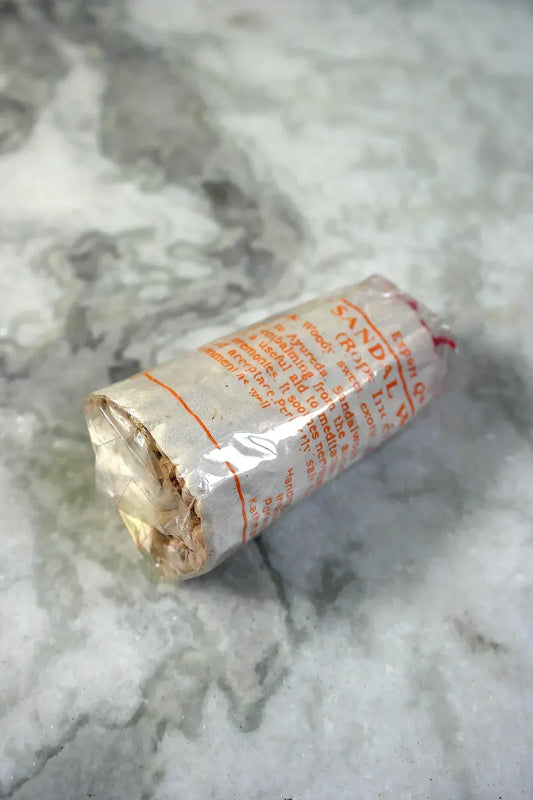
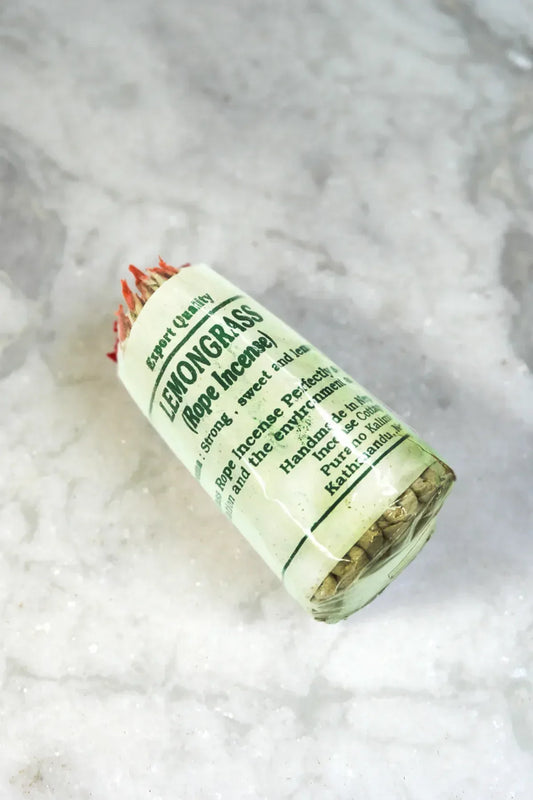
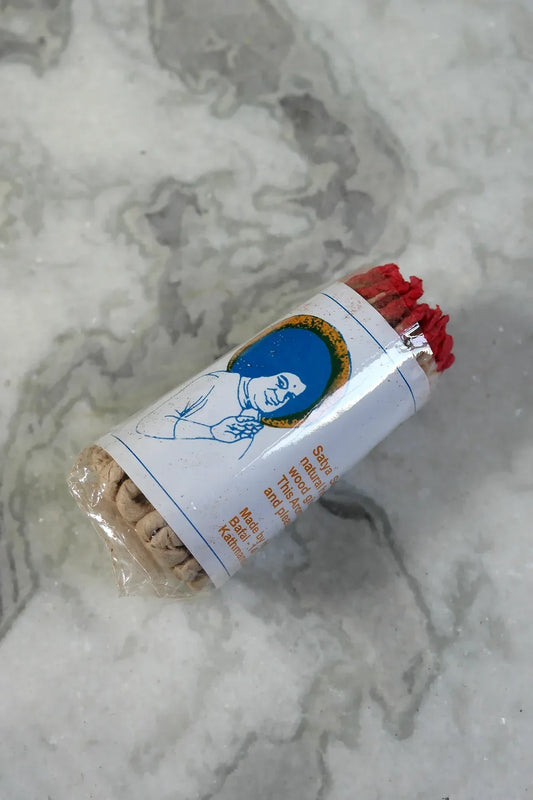
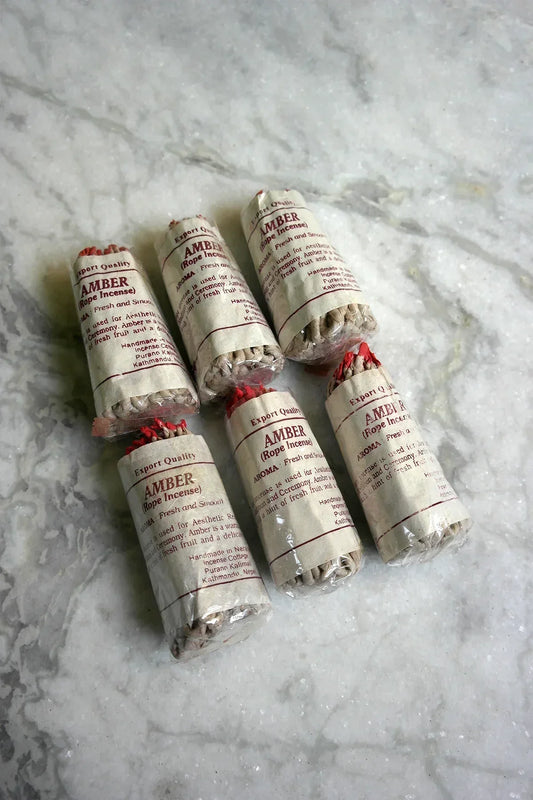
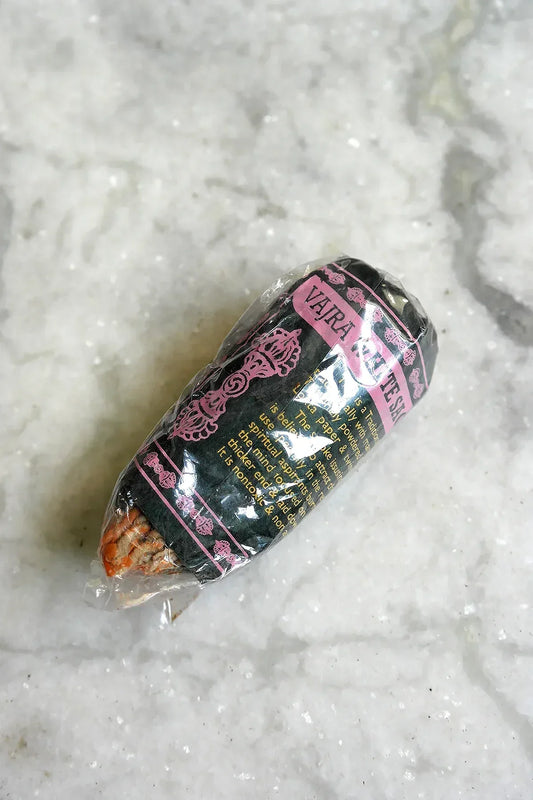
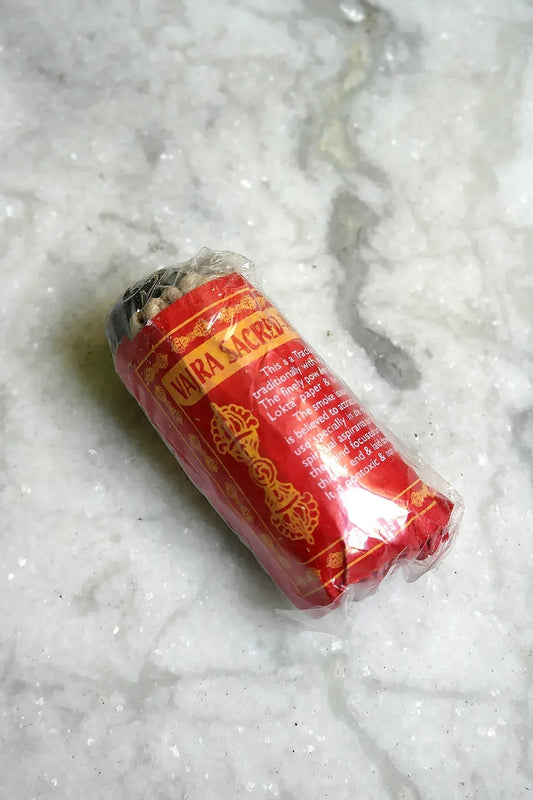
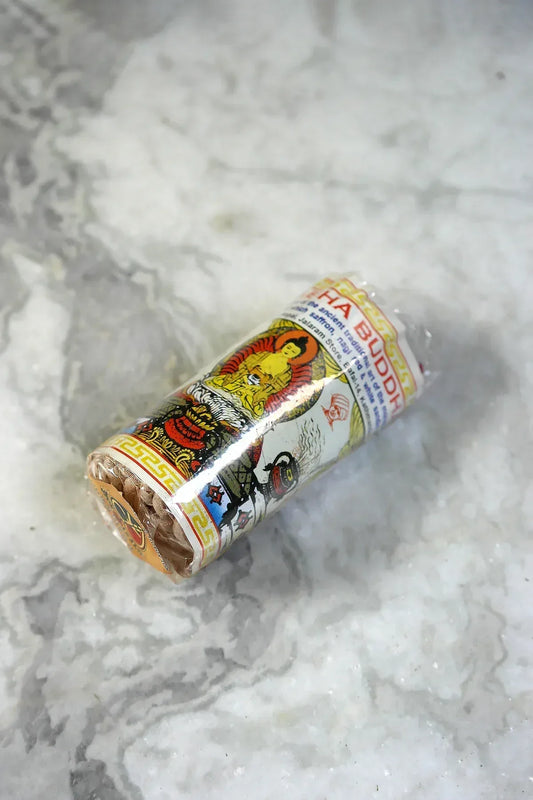
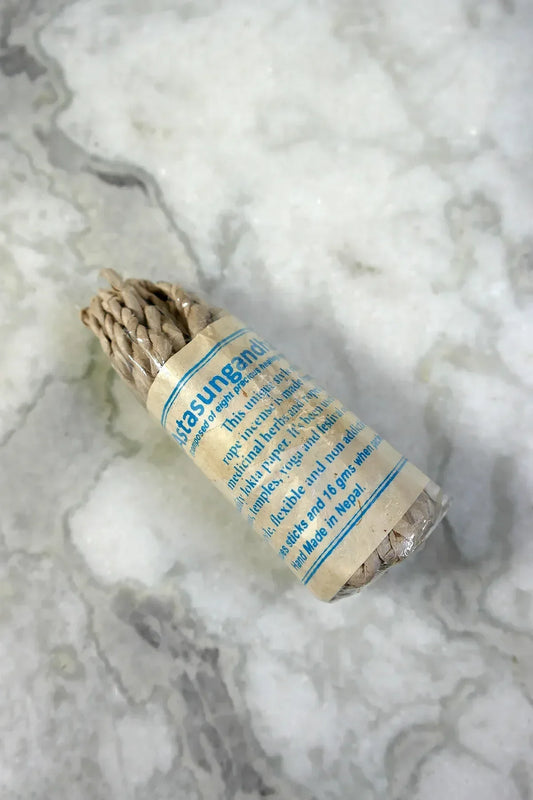
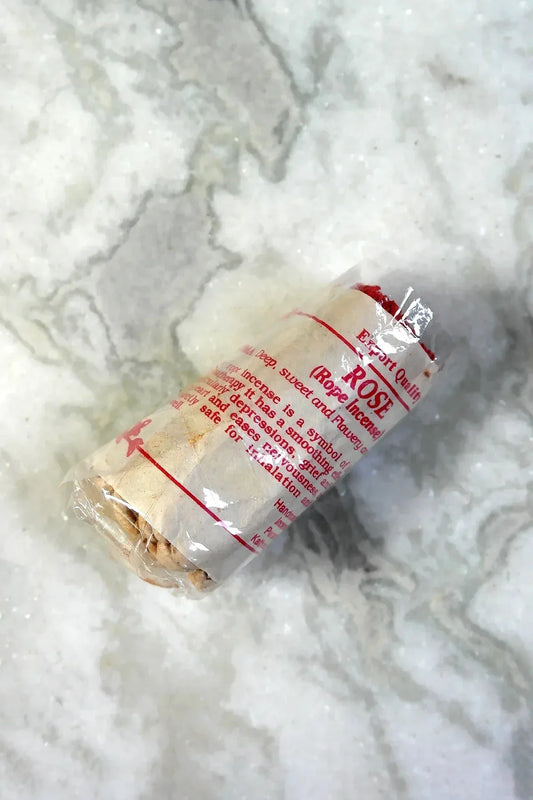
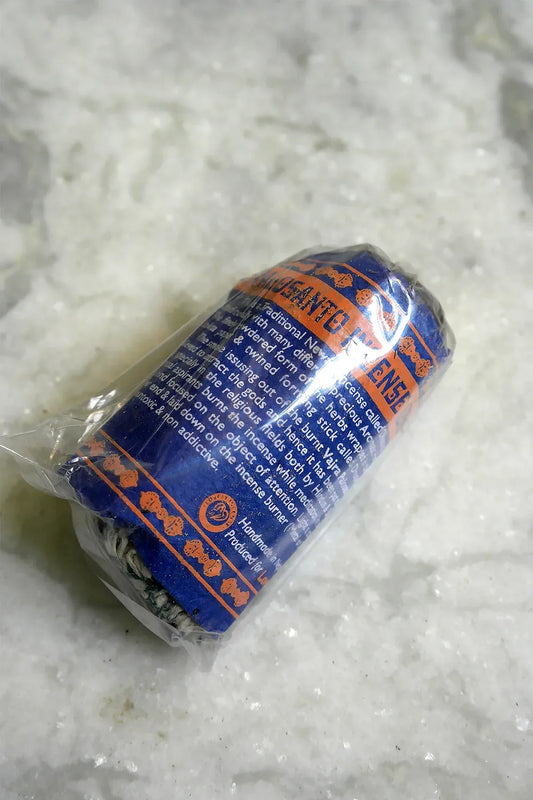
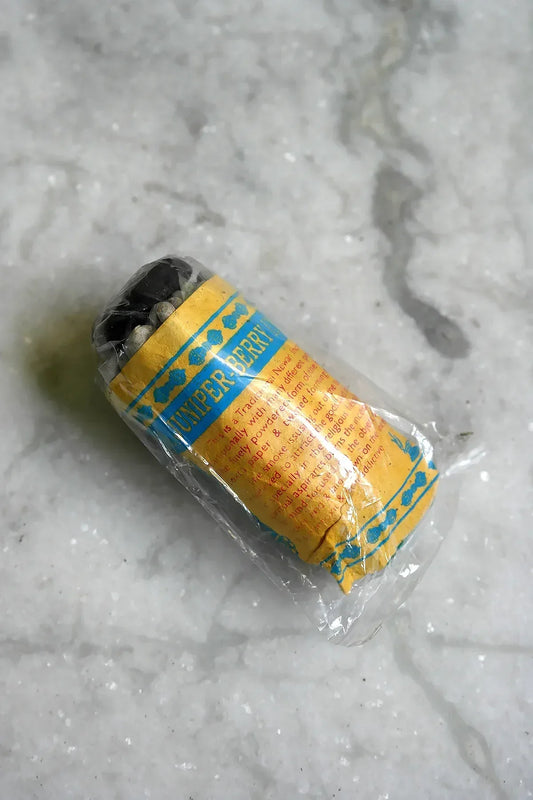
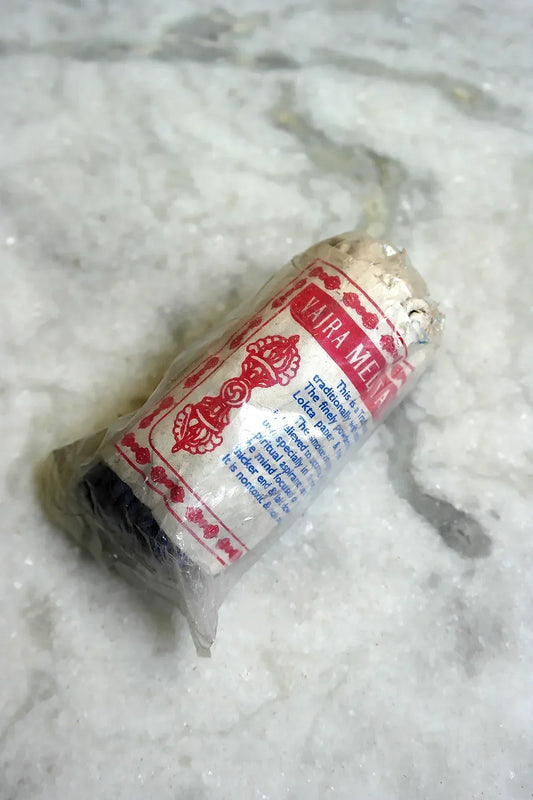
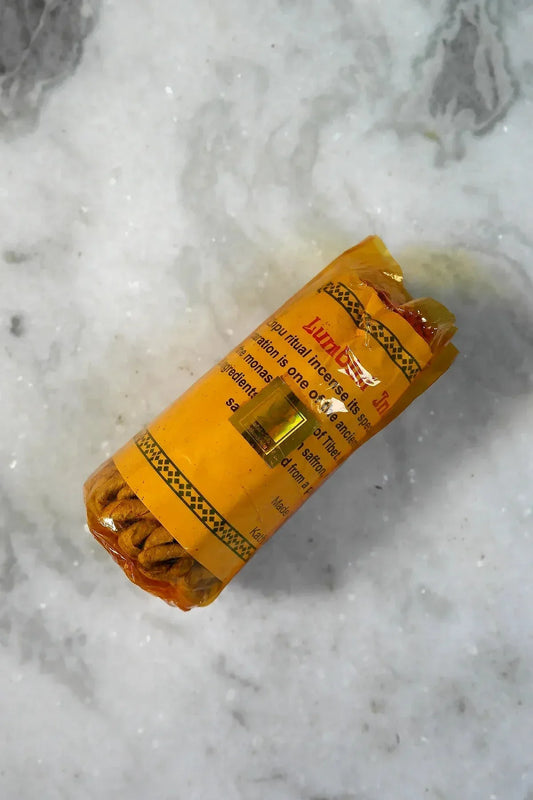
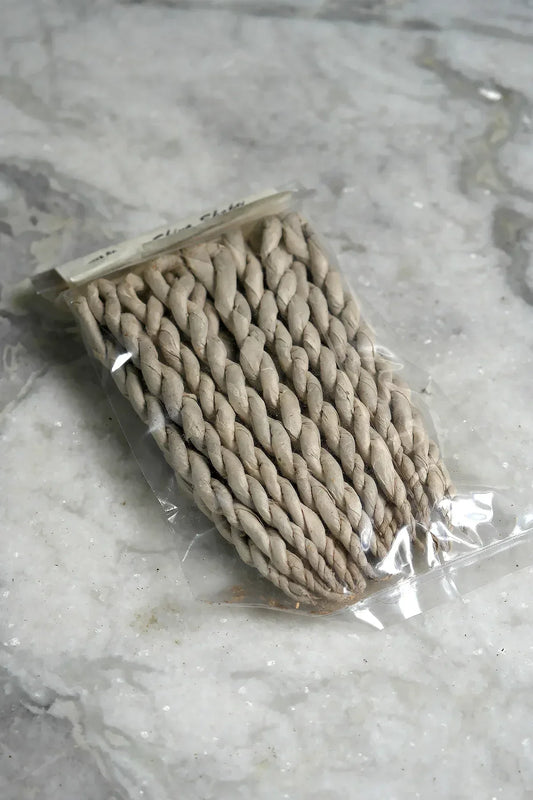
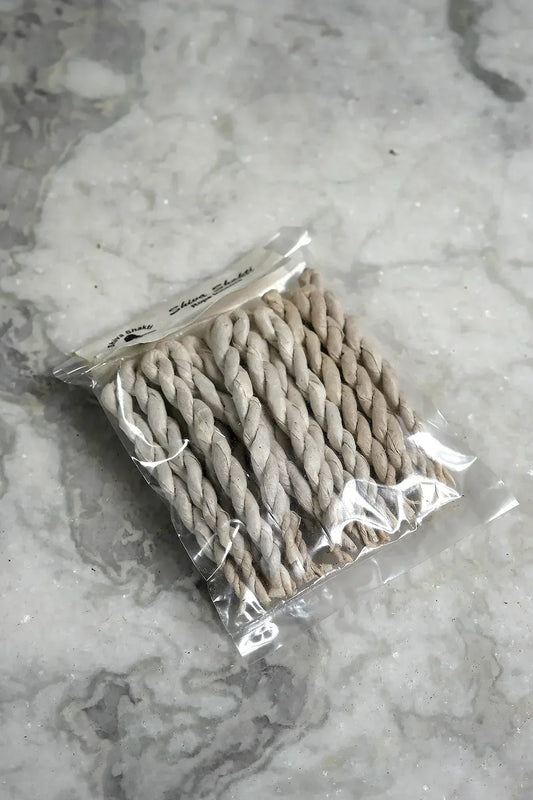
Rope incense is a tradition as old as the storytelling tradition itself, a part of Himalayan culture as long as the people of the mountains have a collective memory to draw on. Every length is hand-twisted, frequently incorporating herbs and resins collected from the valleys below. It is as if you can still feel the hands twisting the incense.
A burning rope of incense is a silent ritual. It does not herald its arrival with a pungent aroma. Rather, it snakes its way through the room with the gentle consistency of a reminder to stop and breathe. It is used while meditating, during prayer times, and at other moments when a respite is desired in the flurry of the busy schedule of a worrisome day. Its scent is rich and always changing.
The difference between rope incense and what you can buy at the store is the element of human involvement. It is not like the machine-made incense, where every piece is the same. There is variation in the rope incense: pieces are thicker or thinner, or tilt slightly to one side or the other. It is imperfect, but it is a satisfying kind of imperfect that you can't help but notice, and it causes you to slow down along with it.
In homes throughout Nepal and Tibet, rope incense tends to populate quiet corners or meditation spaces. It is not about ornamentation. It is about intention. It is about taking a place and making it belong to the now. Lighting one coil can mean the start of ritual or the start of paying attention to your breath.
Having rope incense on hand is like having a little piece of the Himalayas close. “A small story.” The scent, the feeling, even the appearance of the spiral in the dish carries with it the tradition. It’s subtle. It's a reminder. A pause in an otherwise frantic day. A bridge between the hands that crafted it and yours.