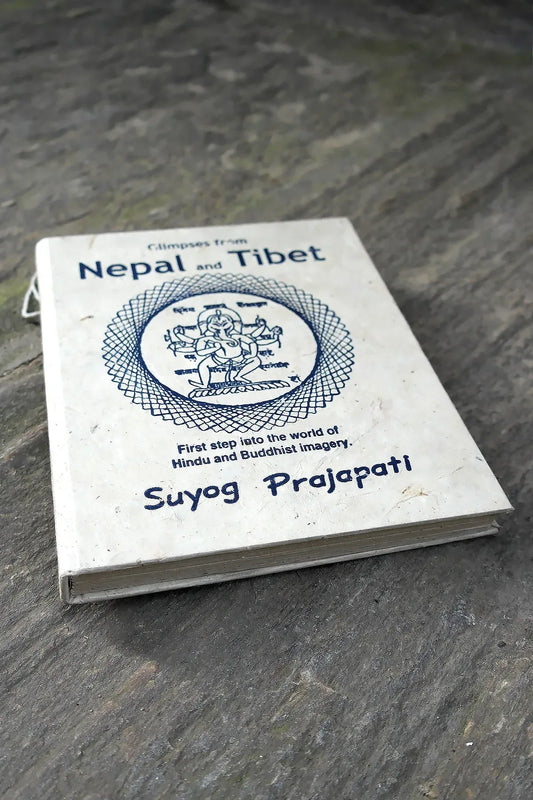
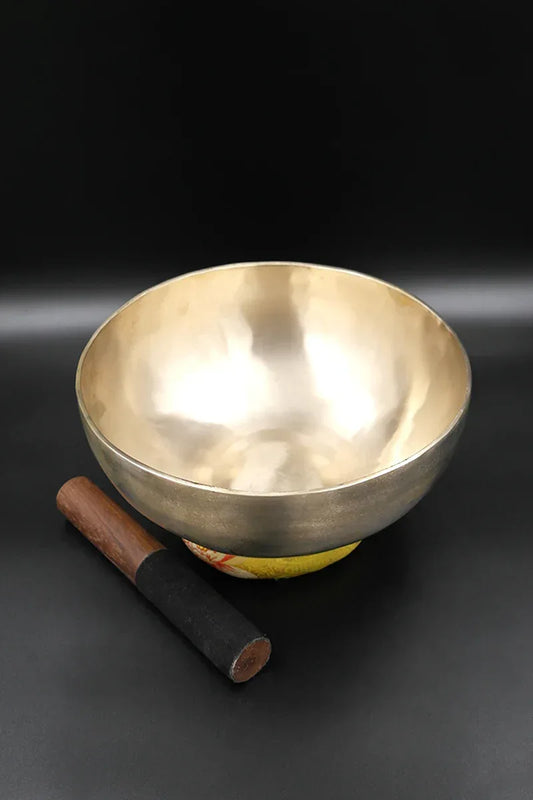
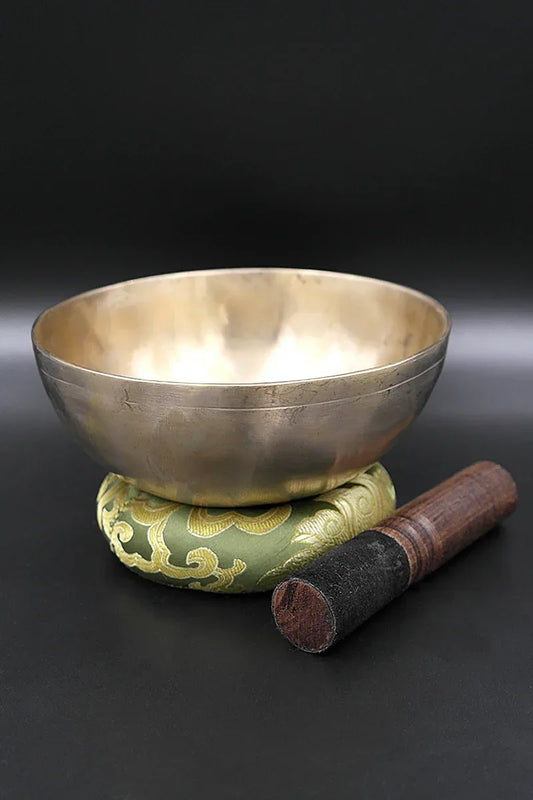
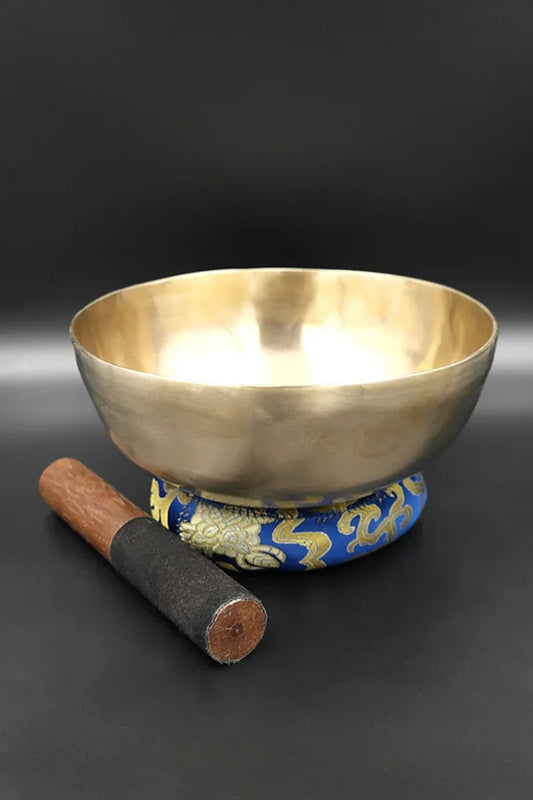
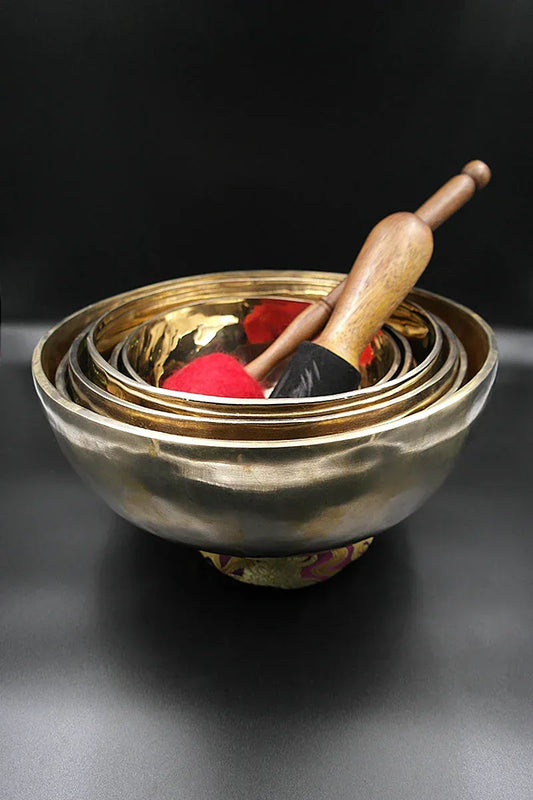
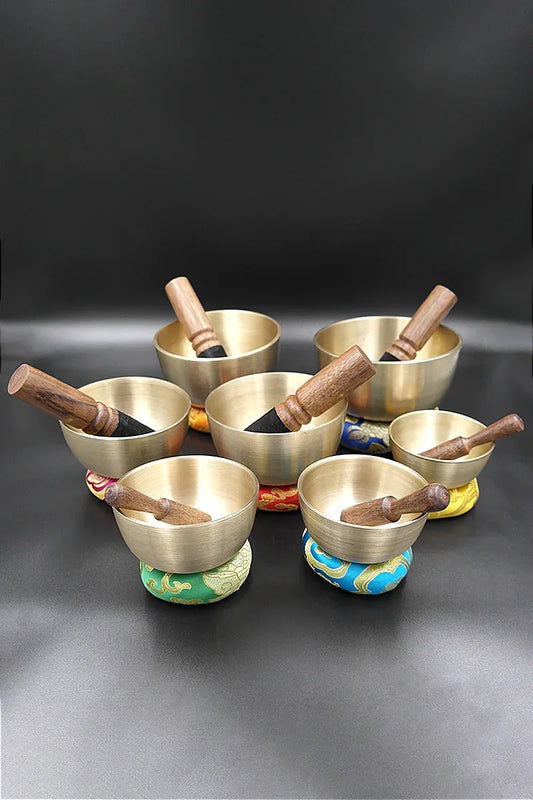
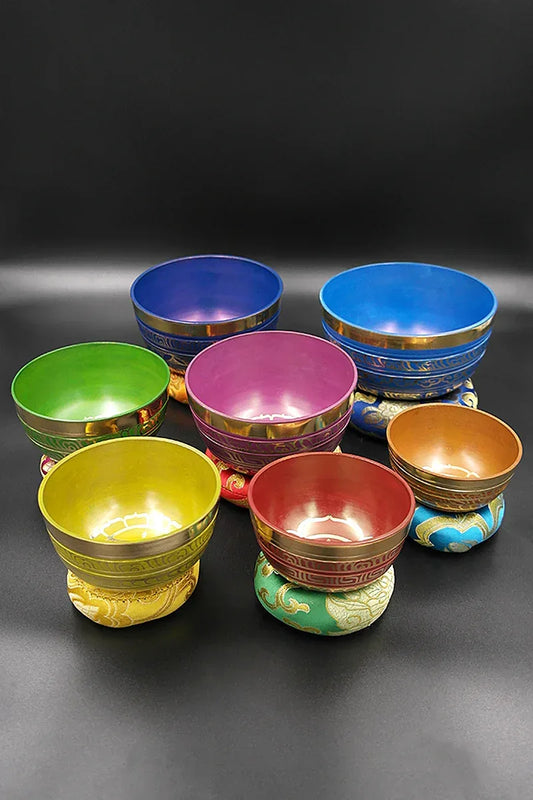
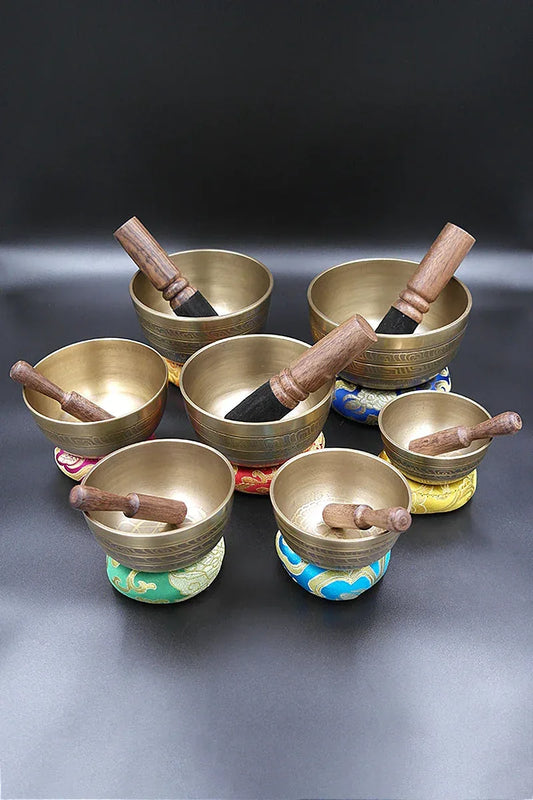
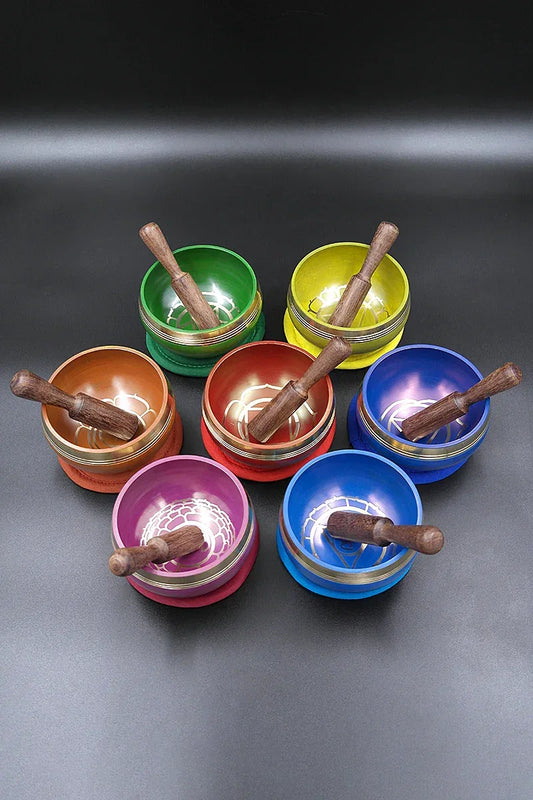
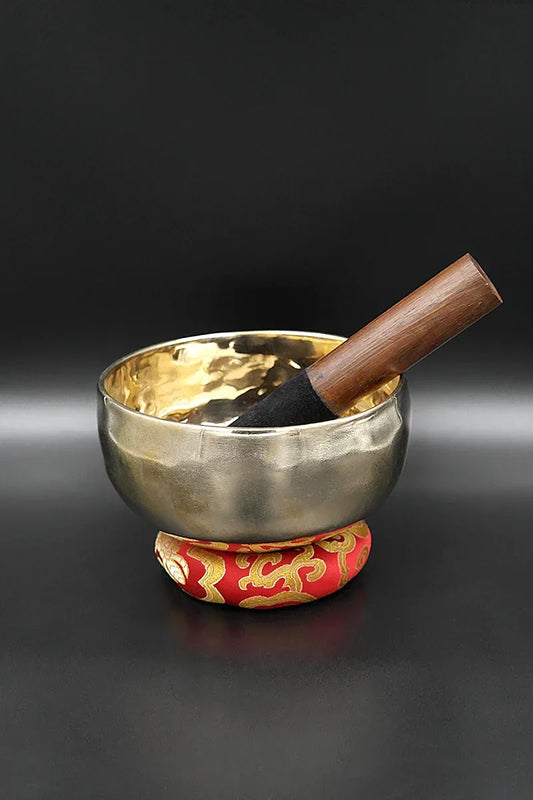
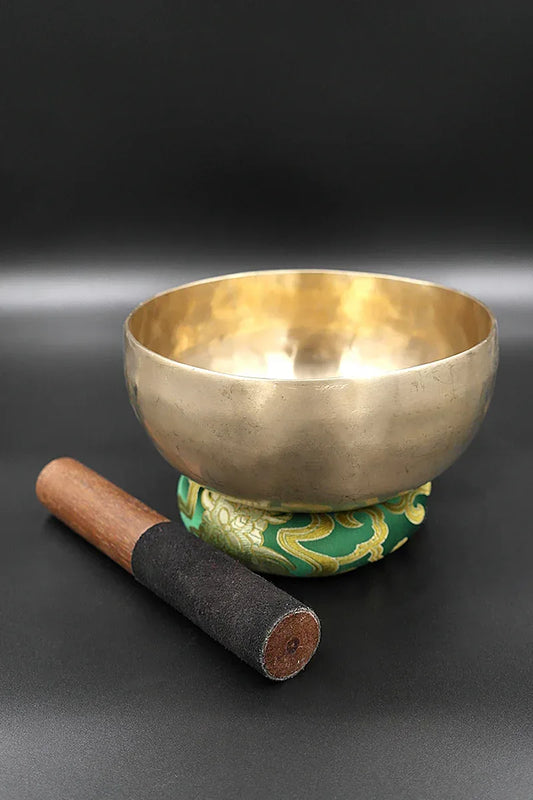
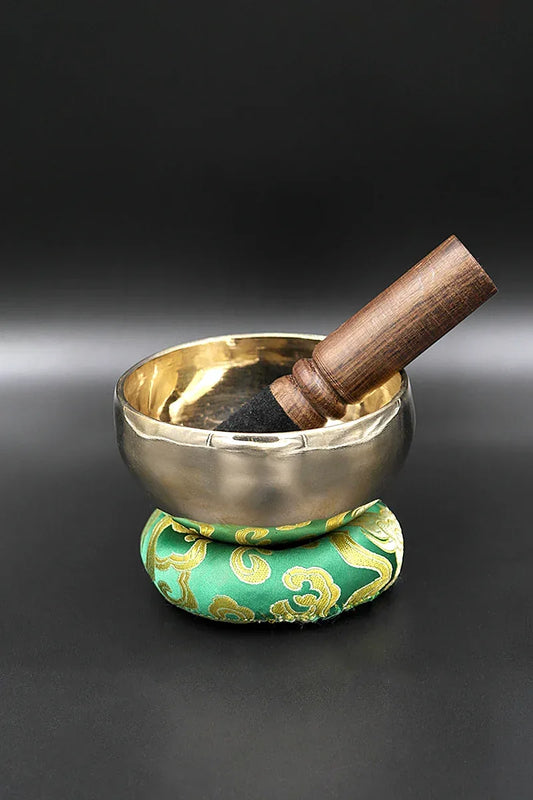
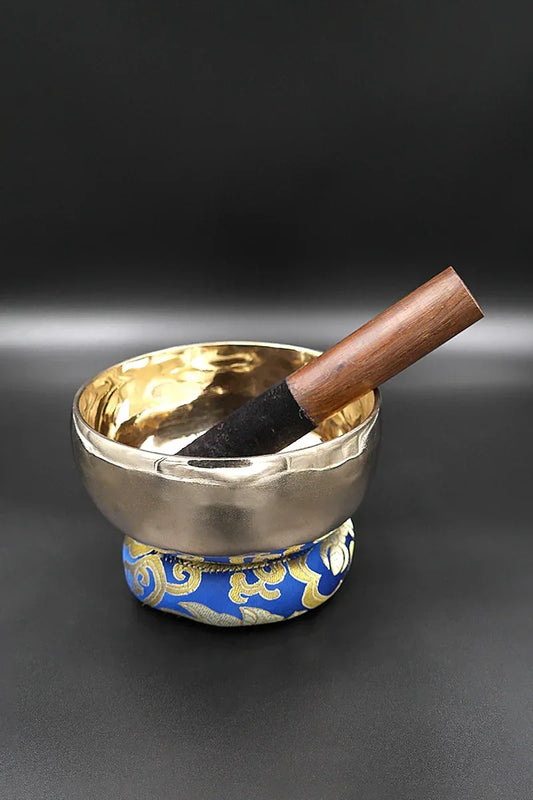
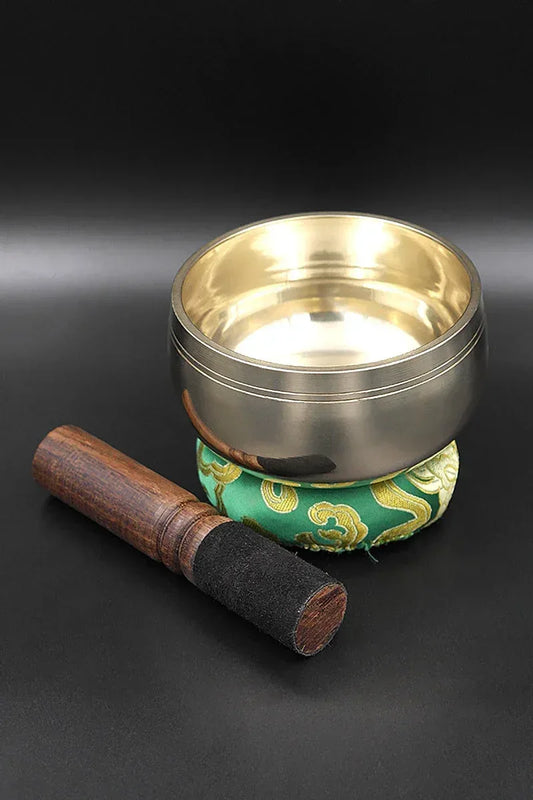
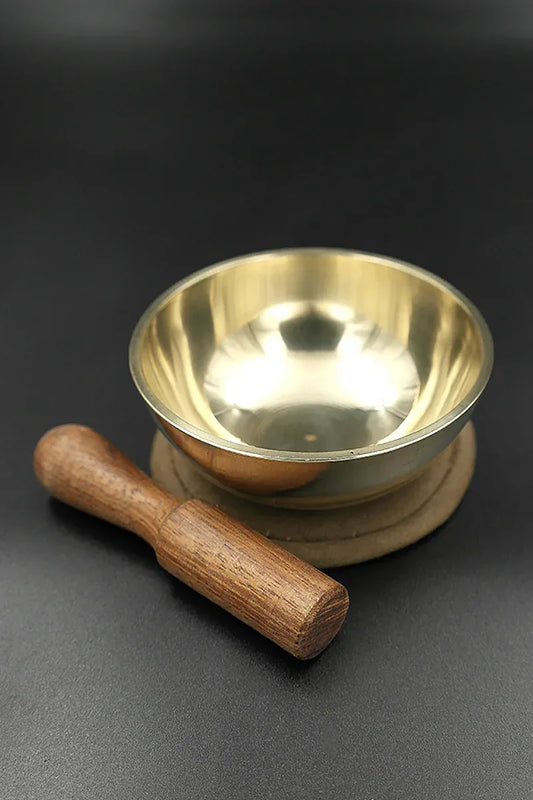
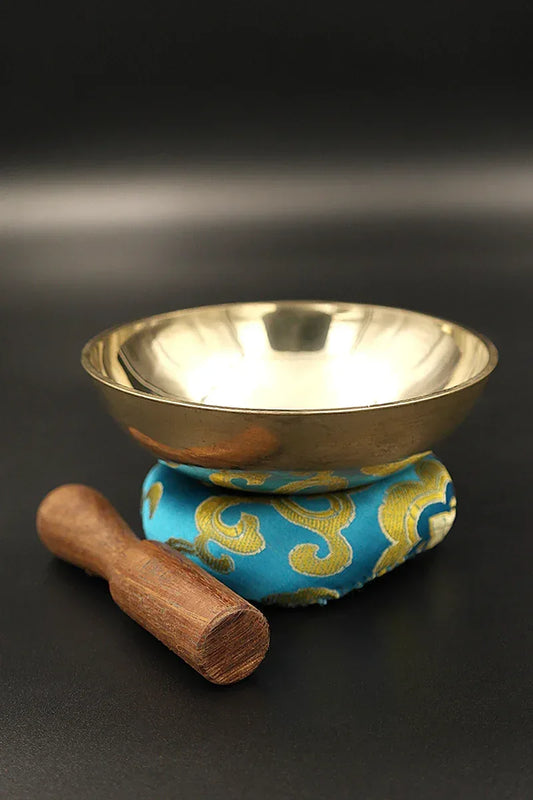
For centuries, singing bowls have quietly been a part of life in the Himalayas: woven into spiritual practice, daily ritual, and quiet moments. Not simply Things to be used but companions in meditation and reflection can these instruments be termed as, though more popularly referred to as Tibetan singing bowls. Their softly chanted tones and lingering vibrations have long been treasured for the way they create space-some space to pause, breathe, and listen.
The origin of the Tibetan singing bowl is very closely connected with the Himalayan and Buddhist cultures. From monasteries to far-flung villages in Nepal and Tibet, bowls were used in meditation, chanting, and ceremonial offerings. A bowl's sound was thought to support focus and awareness, helping individuals settle into a more quiet state of mind. With time, this practice flowed out of the monastic world into homes, where bowls might be used during prayer or in quiet personal observances.
The Tibetan singing bowl is special because of its sound and how it is made. People in Nepal still make many of these bowls by hand. They use a way of hitting the metal with a hammer to shape it. The person making the bowl hits the metal sheet times to make it into a bowl shape. This takes a lot of time and practice because each hit changes the sound of the bowl. Every Himalayan singing bowl is different, from every Himalayan singing bowl and that is what makes each Himalayan singing bowl unique.
A handmade Tibetan singing bowl has its special characteristics. It can be a little different in shape. It can be thicker in some places and thinner in others. The surface of the bowl can also be different. These things change the way the bowl sounds. The way it makes you feel when it is played. Some handmade singing bowls make deep sounds that feel strong and solid. Other handmade singing bowls make sounds that are clear and easy to hear and these sounds can make you feel happy and free. The size of the handmade singing bowl is important too.. The thing is, the sound of the handmade Tibetan singing bowl is different, for each person because it depends on how the bowl feels when you touch it and move it
Traditionally, bowls are played by gently striking the rim or slowly circling a mallet around the edge. This motion causes the metal to vibrate, producing a sustained tone that seems to float in the air. In meditation, this sound can act as a point of focus, guiding attention away from scattered thoughts. Many people use a meditation singing bowl at the beginning or end of practice to mark a transition into stillness.In more recent times, singing bowls have also found a place in mindful living and relaxation practices. The vibrations created by a sound healing bowl are often described as calming and centering, helping to release tension and encourage a sense of balance. While experiences vary from person to person, many find that the sound naturally invites slower breathing and deeper presence.
At Vajracrafts the Tibetan singing bowl collection is really about respecting the ways and the people who make them. The people at Vajracrafts pick each Tibetan Singing Bowl carefully. They like it when the bowls are made well not when they all look the same. These Singing Bowls are not perfect and shiny. They have marks, on them from the people who made them and the old ways they used to make them. The Singing Bowls are made to be used in a way not just made a lot
Tibetan singing bowl are really special because they mean a lot more than the sound they make. They show a connection between the things they are made of the people who make them and the people who use them. The metals in singing bowls are shaped with fire. A lot of force and the people who shape them use skills that have been passed down from their families over the years. When a singing bowl is finished it becomes a part of someones personal routine and it creates a quiet connection between what happened a long time ago and what is happening now. Singing bowls are a part of this connection, between the past and the present.
Using a Tibetan singing bowl does not require special knowledge or complex technique. Some people play them during meditation, others during yoga or quiet evenings at home. Some keep a bowl simply as a reminder to slow down. The value lies not in how it is used, but in the intention brought to the moment.
In a world filled with constant noise, the sound of a singing bowl offers something different. It does not demand attention; it invites it. The tone rises, lingers, and fades naturally, mirroring the rhythm of breath and thought. As part of daily ritual or occasional reflection, singing bowls serve as gentle companions reminding us that sound, when approached with care, can support mindfulness, presence, and a deeper connection to the traditions of the Himalayas.