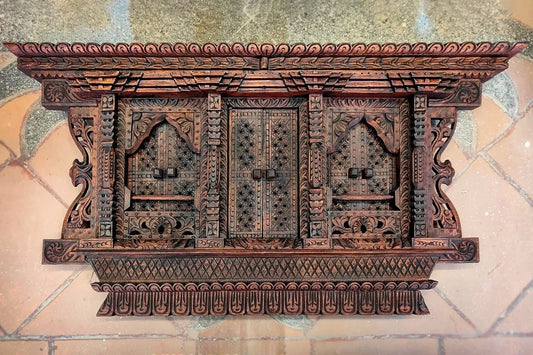
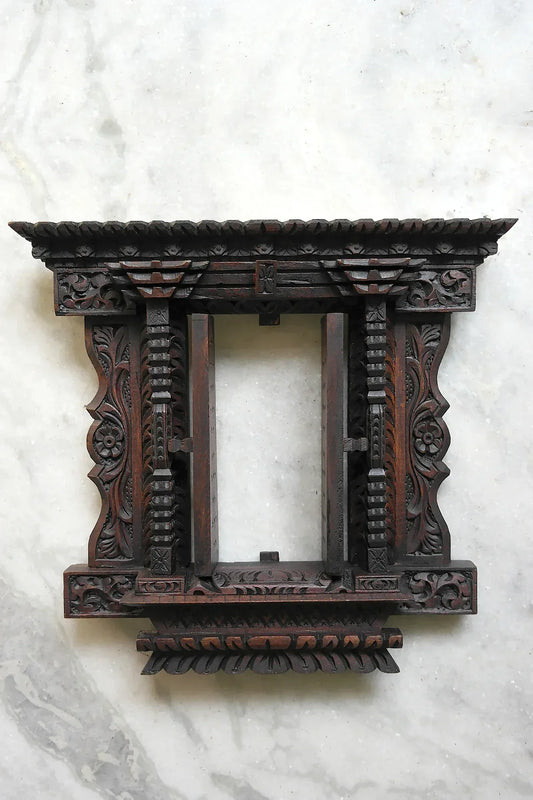
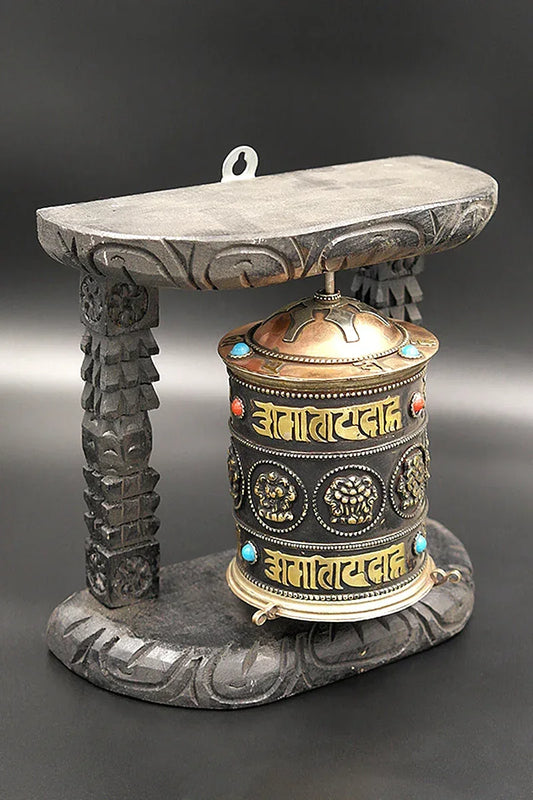
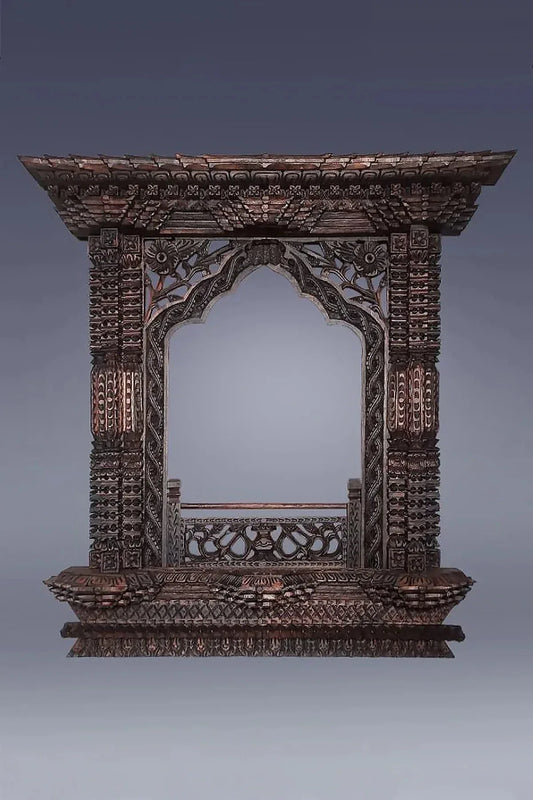
In Himalayan and Nepali homes, wood has always carried a quiet presence. It is found in doorways worn smooth by time, window frames that filter light, and small household objects shaped to last through years of use. Wooden frames belong to this same tradition. They are not only practical items but part of how images, memories, and sacred objects are respected and preserved.
In many temples and family spaces, wooden frames are used to hold thangkas, hand-painted images, manuscripts, or photographs of ancestors. The choice of wood is deliberate. It offers strength without heaviness and ages in a way that feels natural rather than worn. Over time, the surface changes subtly, carrying marks of touch and environment. This is why wooden frames have remained important in Himalayan settings, where materials are chosen for how they live alongside people.
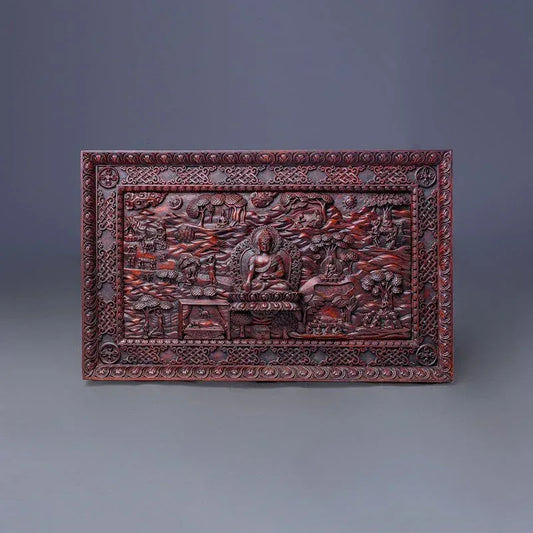
Woodcrafting has a long tradition in Nepalese art. Then, the craftsmen understand the properties of the local woods before they attempt to carve them. A carved wooden piece typically begins as a lump of wood that takes shape after a series of carvings, while joins for the structure have to be made so that the piece turns out strong without using any shortcuts. The process of polishing a piece of wood takes a long time, as a natural color has to be left exposed on the wood.
Himalayan wooden frames differ subtly from the mass-produced variety. They are not exactly alike, and this is what gives them their unique character. Some discrepancies in the carvings or finish are the mark of human craftsmanship. Such unique touches are what impart to Himalayan wooden frames an aura of quality that mass-produced products often are incapable of achieving.
Nepali wooden frames are used in many ways today. Some hold spiritual images in meditation rooms, others frame artworks or family photographs in living spaces. A traditional carved wooden frame can also protect old texts or meaningful personal pieces that deserve care rather than display. In each case, the frame supports what it holds without drawing attention away from it.
Using wood in this way also reflects a slower relationship with materials. Natural wood is durable, repairable, and long-lasting when treated with respect. Choosing handmade wooden frames supports artisan communities and keeps traditional skills alive, allowing knowledge to pass quietly from one generation to the next.